
Afghan journalist Mahdi Ansary from AFKA News Agency was arrested by the Taliban’s intelligence service for allegedly creating “anti-Taliban propaganda.” After his arrest, he was forced to make a confession that was broadcast on Facebook. Reporters Without Borders (RSF) condemned this as an act of intimidation and demanded the immediate release of Ansary and six other journalists who remain unlawfully detained by the Taliban regime.
Mahdi Ansary’s case is part of a wider crackdown on journalists in Afghanistan. A video of his forced confession appeared on 2 October 2025 on a Facebook page called Voice of the Hindu Kush, which is linked to the Taliban’s General Directorate of Intelligence (GDI). The page claimed Ansary had produced “toxic propaganda” against the regime and worked with Afghan media outlets in exile. The reporter went missing on 5 October 2024 after leaving his Kabul office, and his family later confirmed his arrest by GDI agents. On 1 January 2025, he was sentenced to 18 months in prison while being held at the GDI’s Directorate 40 in Kabul and was later transferred to Bagram Prison, north of the capital.
According to RSF South Asia Desk Head Célia Mercier, these forced confessions show how the Taliban use fear and humiliation to suppress independent journalism. The GDI’s goal, she said, is to portray journalists as criminals in order to silence criticism and justify arbitrary detentions. RSF denounced this tactic as part of an escalating campaign of repression and demanded the release of all journalists held for doing their jobs.
Similar cases have emerged in recent months. Abuzar Sarem Sarepuli, head of Tawana News Agency and the Afghanistan Journalists Organizations and Media Federation, along with Shakib Nazari, an NTV Japan correspondent, were also seen in forced confession videos shared on 30 July and 21 August 2025. They were arrested during a GDI raid on 24 July 2025, alongside Mohammad Bashir Hatef, the acting head of the media federation. All three remain in Taliban custody, as do at least three other journalists, including freelancer Hamid Farhadi, who was sentenced to two years in prison in October 2024 for “propaganda against the Islamic Emirate.” Two more journalists have been jailed since early 2025.
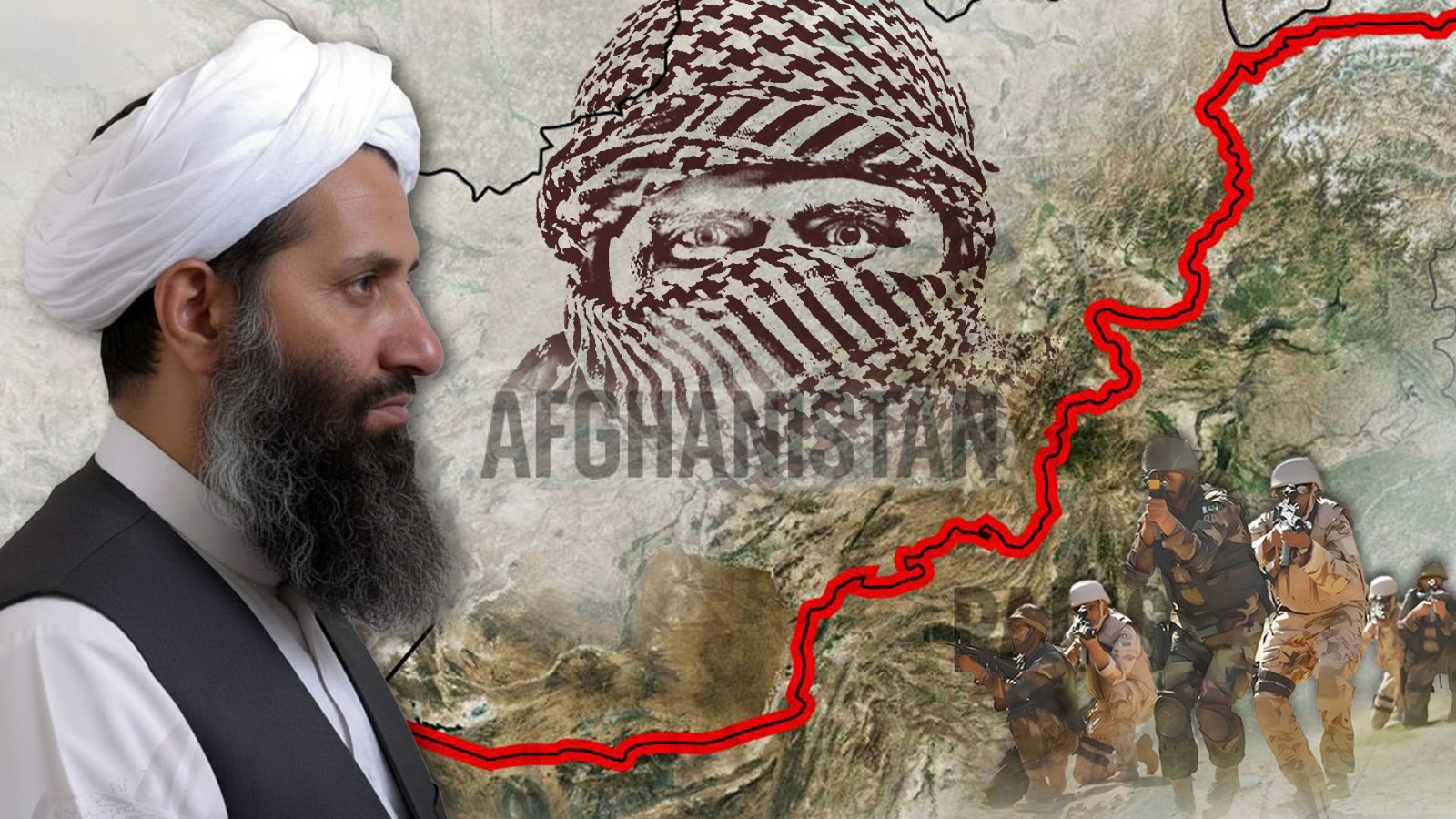
Adding to the suppression of free speech, Afghanistan was almost completely cut off from communication between 29 September and 1 October 2025 after Taliban leader Haibatullah Akhundzada ordered the blocking of fibre optic internet “to fight vice.” This blackout halted both internet and mobile networks across the country. Since the Taliban regained power in August 2021, at least 165 journalists have been arrested, and Afghanistan now ranks 175th out of 180 countries in the 2025 RSF World Press Freedom Index, reflecting the severe decline in press freedom and the growing dangers faced by Afghan journalists.