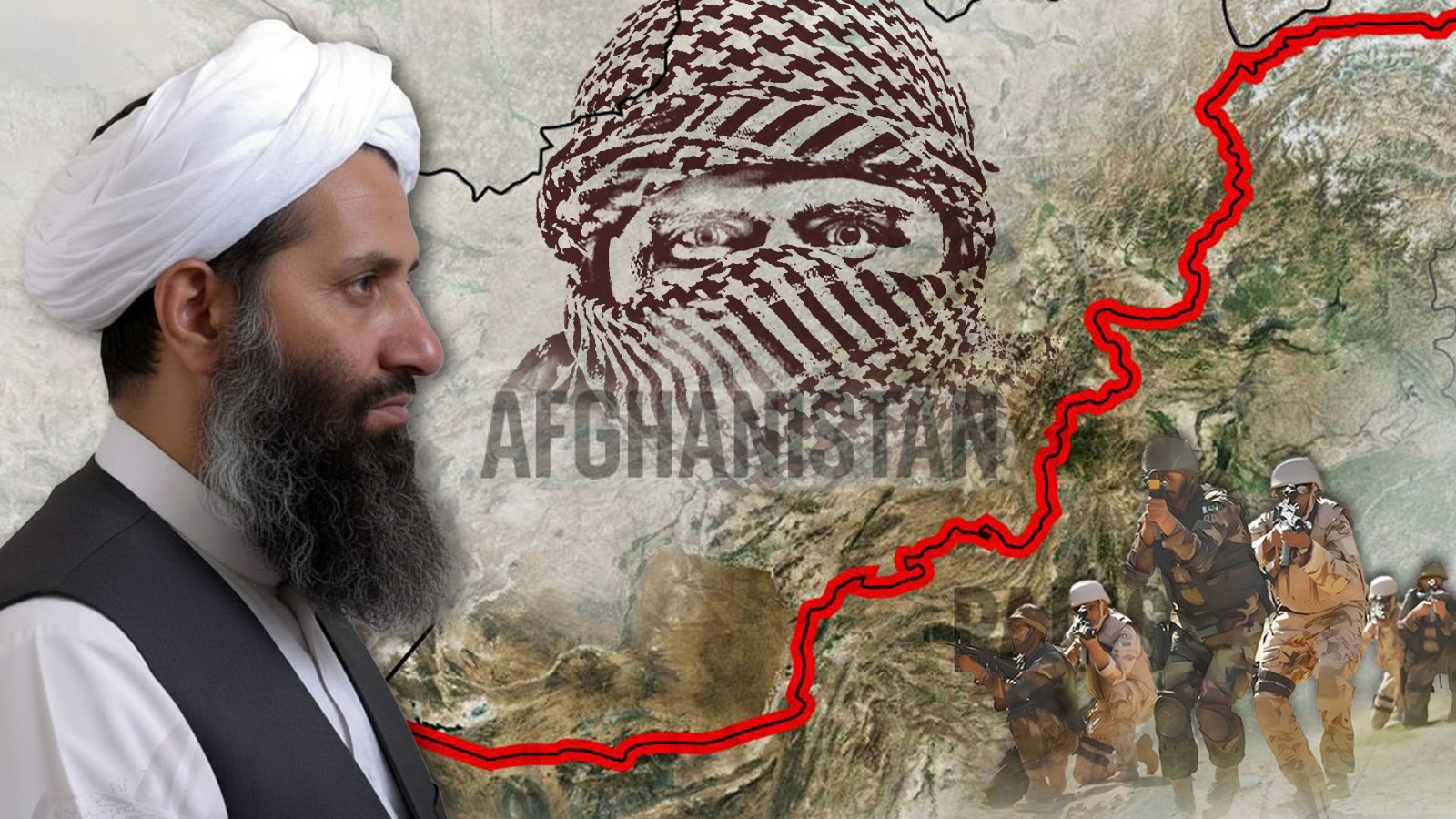
The third round of peace talks between Pakistan and Afghanistan, focusing on security concerns and the Tehrik-i-Taliban Pakistan (TTP) issue, which began on November 6, ended last night without any concrete results. This deadlock is raising fears of further deterioration in bilateral relations and serious problems for Afghanistan. Previously, two rounds of talks were held in Qatar and Turkey, where both sides agreed on a ceasefire and to continue negotiations.
Journalist Tahir Khan, who closely follows Pakistan-Afghanistan affairs, said the main goal of the talks was to resolve the TTP issue and reduce tensions between the two countries. However, no progress was made, and the talks stalled. Khan told Khabarkada that international reports consider the TTP a serious threat, making it a major concern if left unresolved. He added that neighbouring countries such as China, Turkey, and Qatar are also worried and want a solution.
Khan explained that Pakistan’s main demand was to stop attacks by terrorists coming from Afghanistan. He said, “The Afghan Taliban are not willing to take action against the TTP because of its large numbers. Acting against them could spark internal conflict.” He also noted that Afghanistan does not want to officially acknowledge the TTP’s presence on its soil, fearing the global perception that its territory is being used against other countries.
Analyst and journalist Rafat Orakzai said Pakistan’s main demand was a written agreement ensuring the end of TTP attacks inside Pakistan. According to him, the Afghan Taliban verbally agreed to pressure the TTP to stop attacks, but Pakistan insisted on a formal written commitment. Despite offering assurances, the Afghan delegation refused a written agreement, leading to the talks’ failure.
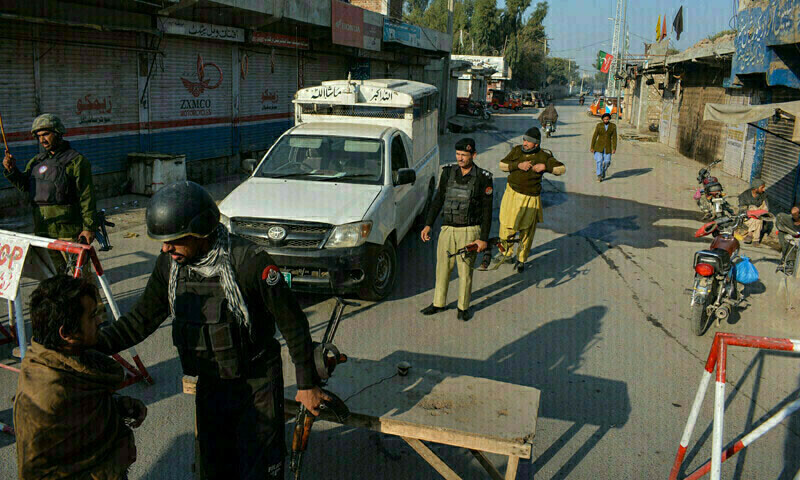
Orakzai described the current situation as “on the brink of war,” noting that while talks are ongoing, all trade routes with Afghanistan are closed following a border attack, and only refugees are allowed to cross. He added that international mediators appear frustrated and that Pakistan’s position is being recognized globally, while the Afghan Taliban are in a difficult situation. He warned that any major attack in Pakistan could escalate into a conflict with Afghanistan.
In this context, Pakistan’s Inter-Services Intelligence (ISI) Director General and Afghanistan’s General Directorate of Intelligence chief are scheduled to meet in Istanbul, Turkey, on November 6 to manage a delicate weekly ceasefire. Analysts say that continued instability or conflict would harm both countries, especially Afghanistan, as trade, travel, and access to education and healthcare in Pakistan would be affected.
Statements from Pakistani Officials
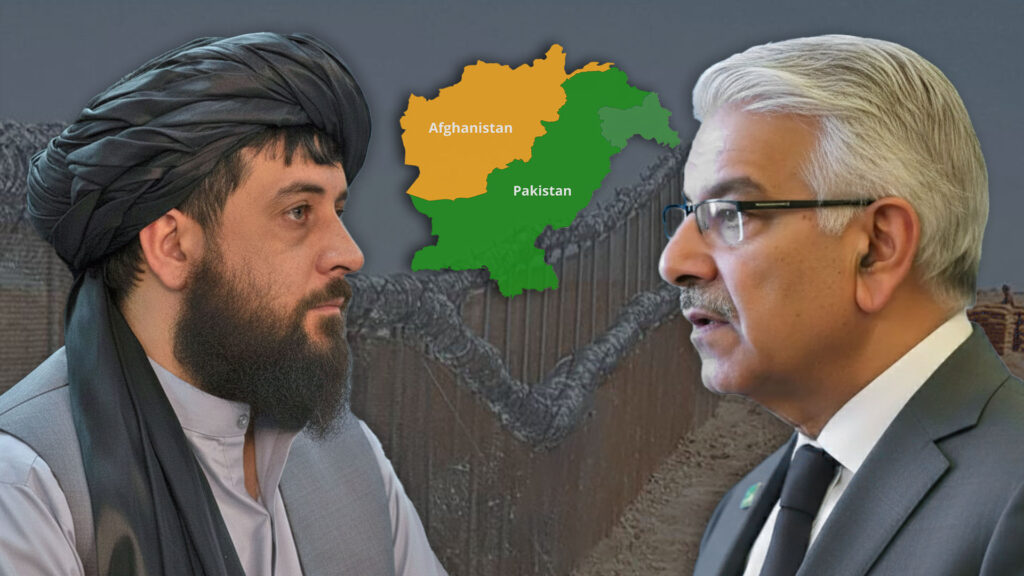
Following the talks, Pakistani officials confirmed the deadlock. Defence Minister Khawaja Asif stated that peace talks with Afghanistan have been suspended indefinitely. In a special interview with Geo News, he said there is no plan for a fourth round, and the negotiation process is completely halted. “The current situation is a complete deadlock, and the process is on hold for an indefinite period,” he said.
Asif said the talks failed despite mediation efforts in Turkey and Qatar due to the Afghan delegation’s lack of cooperation. He explained that the Afghan side was unwilling to provide written commitments, insisting Pakistan rely on verbal assurances, which he said do not meet international diplomatic standards. He added that the mediators were also disappointed, and Pakistan returning empty-handed raises questions about Kabul’s seriousness.
Federal Information Minister Attaullah Tarar thanked Turkey and Qatar for mediation but stressed that Afghanistan is responsible for fulfilling its long-standing international, regional, and bilateral commitments to control terrorism, which it has so far failed to do. He said Pakistan has no ill intentions toward the Afghan people but will not support Afghan Taliban actions that harm both the Afghan people and neighbouring countries. He emphasized, “Pakistan will continue to use all necessary measures to protect its citizens and sovereignty.”
Experts say the suspension of talks reflects a lack of trust and growing security concerns between Pakistan and Afghanistan. Pakistan has made it clear that it will no longer rely on verbal promises and wants Kabul to provide formal written commitments. Without urgent political solutions, this deadlock could increase tensions between the two countries.