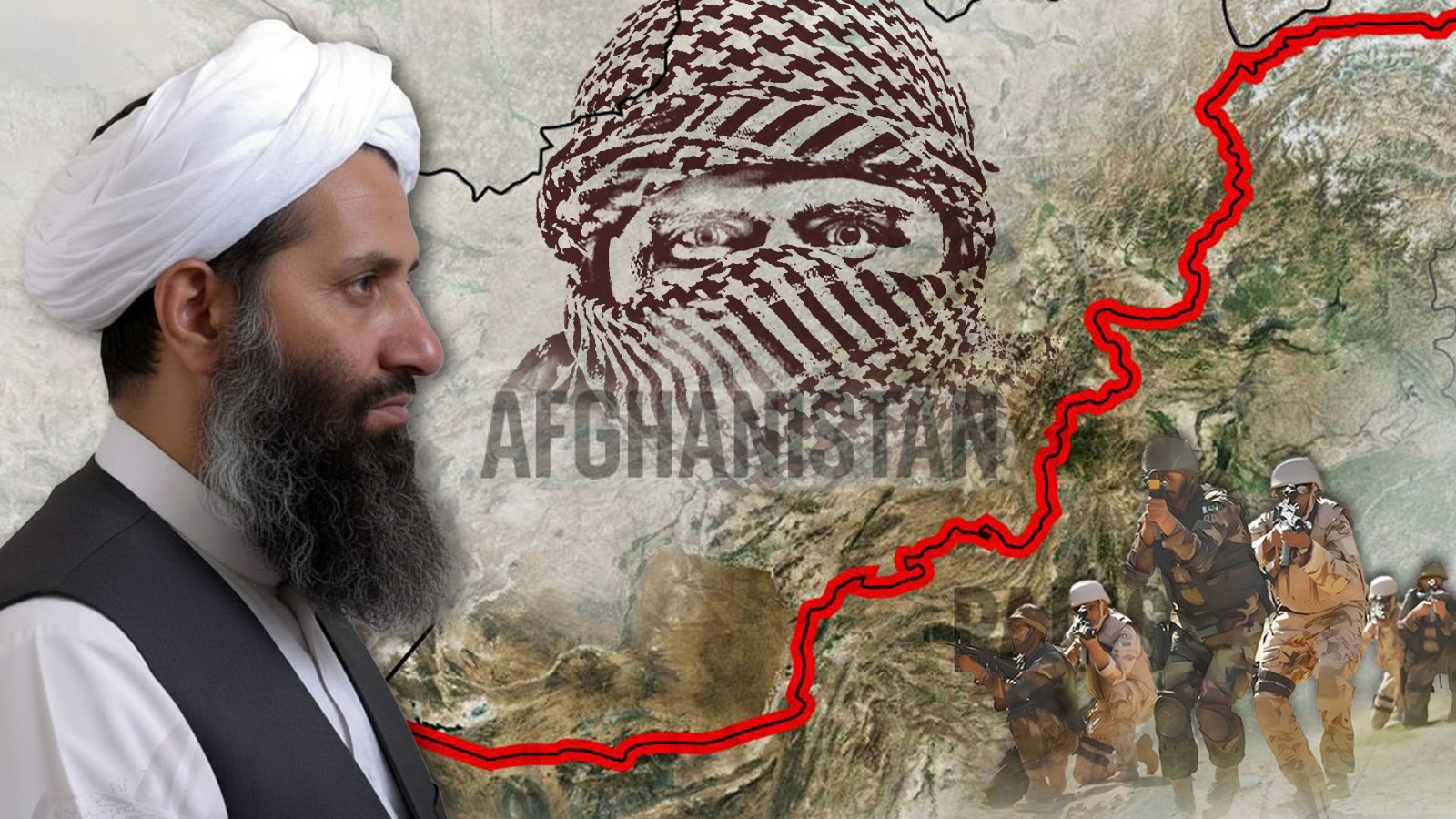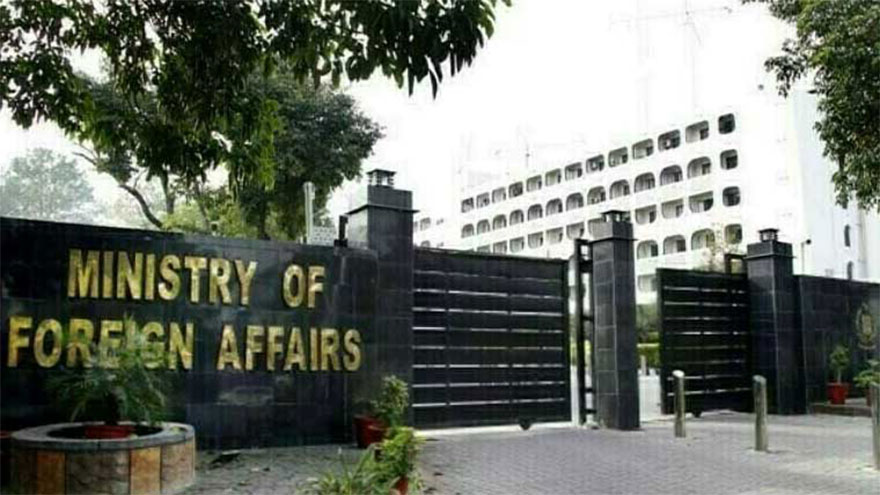
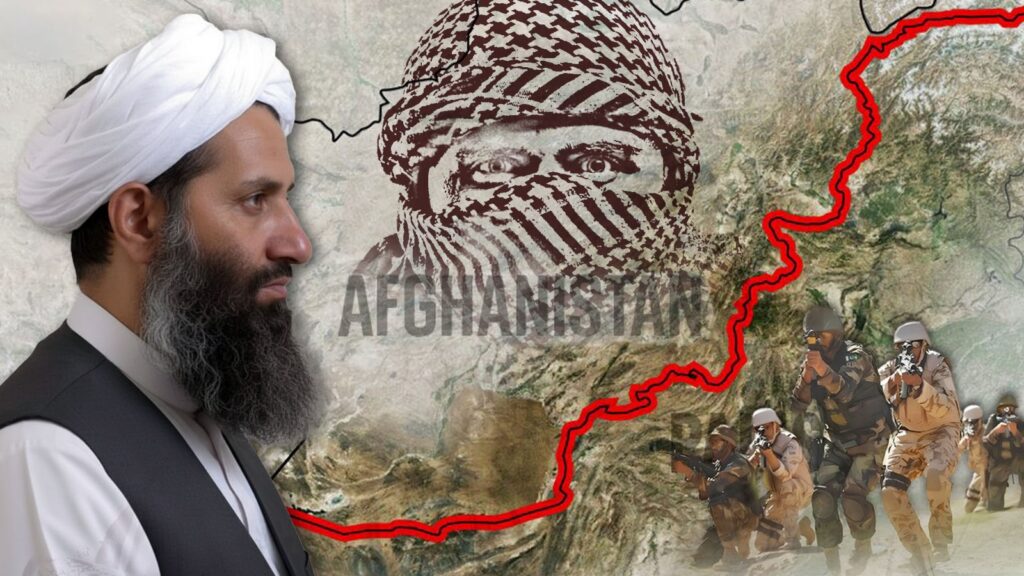
Pakistan has issued its first formal statement regarding the November 6 Istanbul negotiations with the Afghan Taliban, emphasizing that terrorism emanating from Afghan soil remains the central obstacle in relations between the two neighbours. In a statement released on Sunday, the Foreign Office expressed regret that the Afghan authorities have yet to take concrete steps against proscribed terrorist groups, particularly Tehrik-e-Taliban Pakistan (TTP/FaK) and the Balochistan Liberation Army (BLA/FaH), both accused of launching cross-border attacks into Pakistan. Islamabad said its measured military response in October 2025 demonstrated its firm resolve to defend its borders and citizens from persistent militant threats. While the temporary ceasefire between both sides continues to hold, normal cross-border movement and trade at Torkham and Chaman remain suspended pending further security assurances.
The statement reaffirmed that Pakistan views the use of force only as a last resort but criticized the Taliban regime for focusing on prolonging the ceasefire rather than addressing the underlying issue of terrorism. According to officials, the Afghan side avoided meaningful discussions and instead resorted to unproductive arguments and allegations that hindered progress. Pakistan underscored that while it remains committed to dialogue and peaceful resolution of disputes, the issue of terrorism from Afghan soil must be resolved before any substantial improvement in ties can occur. The spokesperson reiterated that Pakistan’s armed forces, backed by the full support of the nation, are fully determined to root out terrorism and hold its enablers and financiers accountable.
Islamabad acknowledged and welcomed the mediation efforts of Turkiye and Qatar, noting that both nations share Pakistan’s stance that terrorist activity against its territory must end. However, diplomatic sources disclosed that the Afghan delegation refused to provide written guarantees that its soil would not be used for attacks against Pakistan—an assurance Islamabad considers essential given prior unfulfilled verbal promises. The Foreign Office also offered a comprehensive review of Pakistan’s engagement with the Taliban regime since its return to power four years ago. During this period, cross-border attacks from Afghanistan have significantly increased despite Pakistan’s restraint and continued diplomatic, economic, and humanitarian support to Kabul, including trade concessions, visa facilitation, and advocacy for international aid. The Taliban’s inaction, Pakistan said, reflects avoidance of responsibility and a failure to curb militants operating from its territory.
Pakistan, under the facilitation of Turkiye and Qatar, participated in multiple rounds of talks aimed at ensuring regional peace. The first round in Doha resulted in a temporary ceasefire, while the Istanbul round was expected to implement practical measures for monitoring and accountability. However, Pakistan’s delegation reported that the Taliban side evaded commitments and used the platform to issue provocative statements. During the third round, Pakistan maintained a constructive approach focused on establishing an effective mechanism to curb cross-border terrorism, but the Afghan representatives diluted the discussion with baseless claims and hypothetical issues. Islamabad stressed that the Taliban’s focus on maintaining a temporary ceasefire without acting against banned groups like TTP/FaK and BLA/FaH demonstrates a lack of sincerity toward peace.
The Foreign Office accused the Taliban regime of misrepresenting the presence of Pakistani militants in Afghanistan as a humanitarian matter. Pakistan clarified that many of these militants fled to Afghanistan after Operation Zarb-e-Azb in 2015, later assisted the Taliban against ISAF forces, and are now being sheltered and trained for attacks on Pakistan. Islamabad maintains that this is not a refugee issue and reiterated its willingness to receive Pakistani citizens through official crossings—but not armed militants. The spokesperson emphasized that Pakistan will not hold talks with terrorist outfits such as TTP/FaK or BLA/FaH, and that only decisive action will ensure peace and security. The statement further revealed that within the Taliban leadership, some factions influenced by external actors are attempting to escalate tensions with Pakistan. Nevertheless, Pakistan dismissed Taliban propaganda about internal divisions, asserting that there is nationwide consensus against terrorism, with its armed forces and people united in defence of the country.
Regional diplomacy surrounding the Pakistan-Afghanistan stalemate has gained momentum. Turkish President Recep Tayyip Erdoğan announced that Turkiye’s foreign and defence ministers, along with its intelligence chief, will visit Pakistan this week to advance efforts for a lasting peace between the two neighbours. Erdoğan said during his return from Baku—where he met Prime Minister Shehbaz Sharif—that the visit aims to transform the fragile ceasefire into a durable peace accord. Meanwhile, Iranian Foreign Minister Seyyed Abbas Araqchi contacted both Pakistan’s Foreign Minister Ishaq Dar and Afghanistan’s Foreign Minister Amir Khan Muttaqi, offering Tehran’s assistance in reconciliation. During his conversation with Dar, Araqchi discussed regional and international developments and underscored the importance of continued dialogue to maintain regional stability. Both sides agreed to keep communication channels open. Iran, expressing concern over the escalating tensions, reiterated its readiness to support mediation between Pakistan and the Afghan Taliban to promote lasting peace and mutual cooperation in the region.