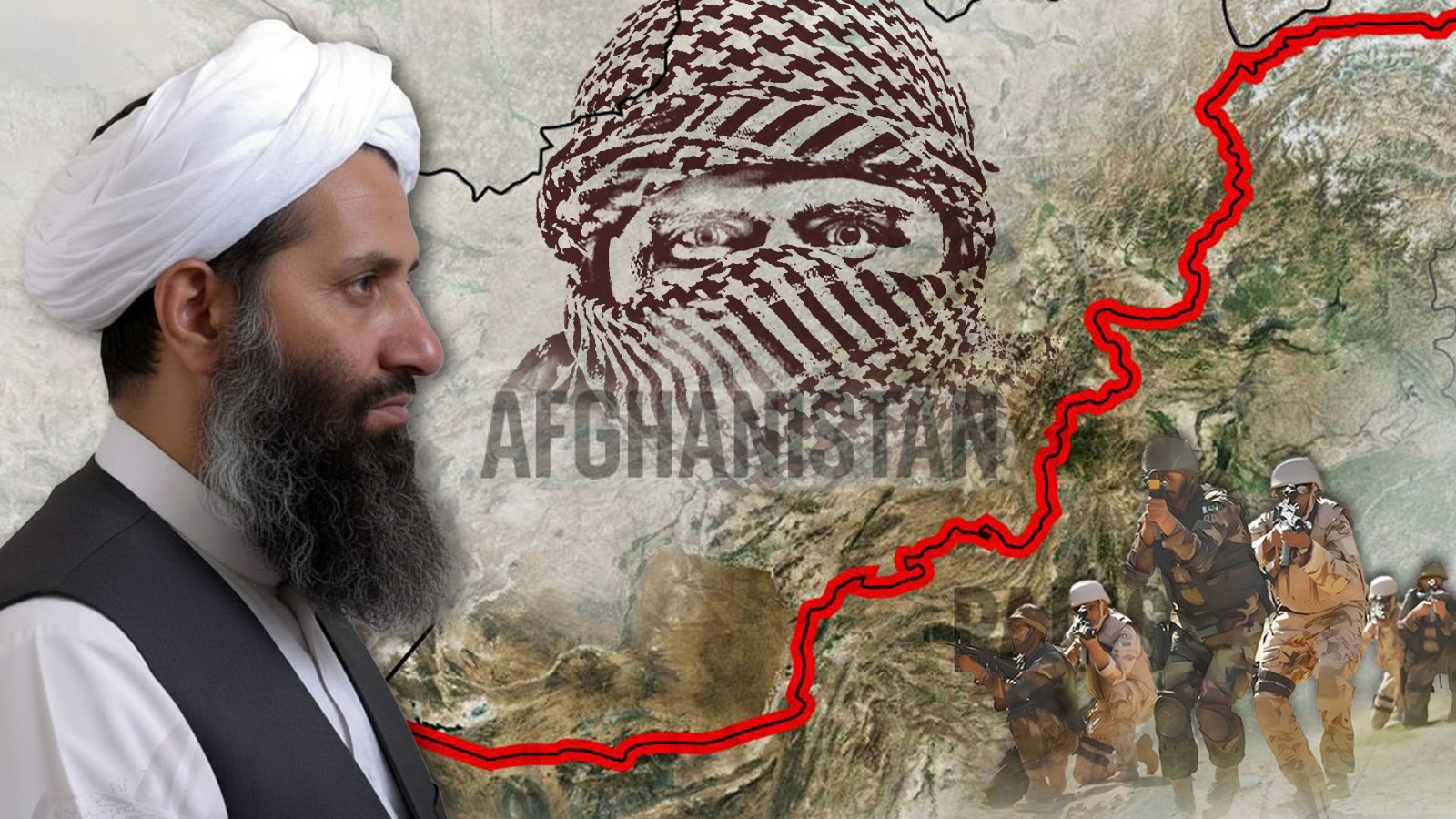
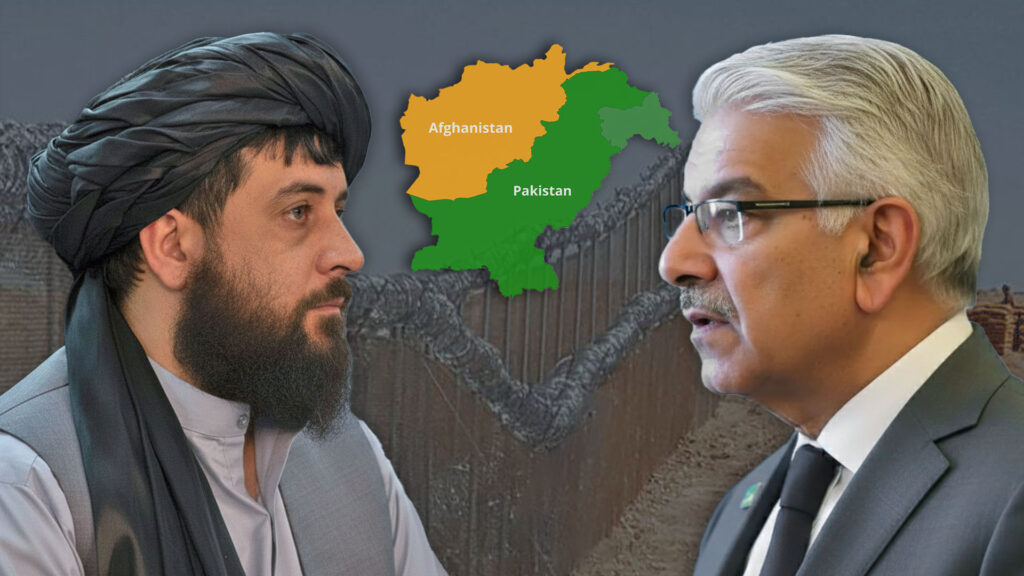
According to reports, the Director General of Pakistan’s Inter-Services Intelligence (ISI) and the Director of Afghanistan’s General Directorate of Intelligence are scheduled to meet on November 6 in Istanbul, Turkey. The main goal of the meeting is to transform the fragile weekly ceasefire into a more organized and sustainable agreement.
Importance of Relations and Impact of Conflict
Experts say Pakistan and Afghanistan share strong trade ties and people-to-people connections. However, any outbreak of conflict or uncertainty would hurt both countries, with Afghanistan likely to suffer the most. Such disruptions could negatively affect trade, transportation routes, and the movement of people for education and healthcare in Pakistan.
Dr. Abdul Shakoor, a professor at Abdul Wali Khan University’s IR Department, emphasized the need for dialogue. He said that conflicts leave lasting bitter memories between neighbouring countries and can only be resolved through talks.
Dr. Shakoor explained that the Tehrik-e-Taliban Pakistan (TTP) and the Afghan Taliban share similar religious beliefs and ideologies. He noted that they have occasionally supported each other, and the Afghan Taliban have allowed TTP operations in some areas.
He added that the Afghan Taliban cannot openly oppose other armed groups. They fear that action against TTP could push fighters toward ISIS-K or other anti-Taliban factions, which are already active against them. Dr. Shakoor also said relocating TTP fighters to other regions would not solve the problem. Pakistan is justified in demanding that the Afghan Taliban take strong measures against TTP.
Pakistan’s Demands in the Talks
Deputy Prime Minister and Foreign Minister Ishaq Dar revealed in the Senate that he received six phone calls from Afghanistan’s acting Foreign Minister Amir Khan Muttaqi. In each call, Muttaqi emphasized one point: “Do not use your soil against us.”
Dar said Pakistan’s main demand is simple: Afghan territory must not be used against Pakistan. He added that the current situation is putting Pakistan in a difficult position.
TTP as a Proxy
Experts believe the Afghan Taliban are using TTP as a proxy against Pakistan due to religious ties. TTP remains heavily influenced by the Afghan Taliban, fighting alongside them against NATO and now conducting operations inside Pakistan.
Analyst Riaz Ahmed said TTP has pledged allegiance to the Afghan Taliban leadership, meaning a single order from the Afghan Taliban could stop TTP attacks in Pakistan. He noted that evidence shows the Afghan Taliban have increasingly used TTP as a proxy and currently do not want to eliminate the group entirely.
Ahmed added that in the upcoming negotiations, Pakistan’s key demand will be to prevent TTP from using Afghan territory against Pakistan. If Afghanistan agrees, the talks could succeed; otherwise, the dispute could continue for years.
Challenges and Likely Outcomes
Veteran journalist and analyst Iftikhar Firdous said both countries have repeatedly blamed each other, and TTP attacks have not stopped. Pakistan will demand “verifiable” measures to stop cross-border attacks, while the Afghan Taliban prefer the principle of “non-interference” and oppose internal oversight.
Firdous suggested that a likely compromise could be a joint mechanism or team to monitor incidents along the border, rather than a comprehensive counter-terrorism investigation inside Afghanistan. He added that reopening border crossings and establishing a hotline to prevent firing incidents will also be key discussion points.
Overall, Firdous said the meeting could help extend the ceasefire and reduce the risk of future clashes, but a final resolution of the core Pakistan-TTP issue is unlikely.