Government Policy and Minister’s Statement
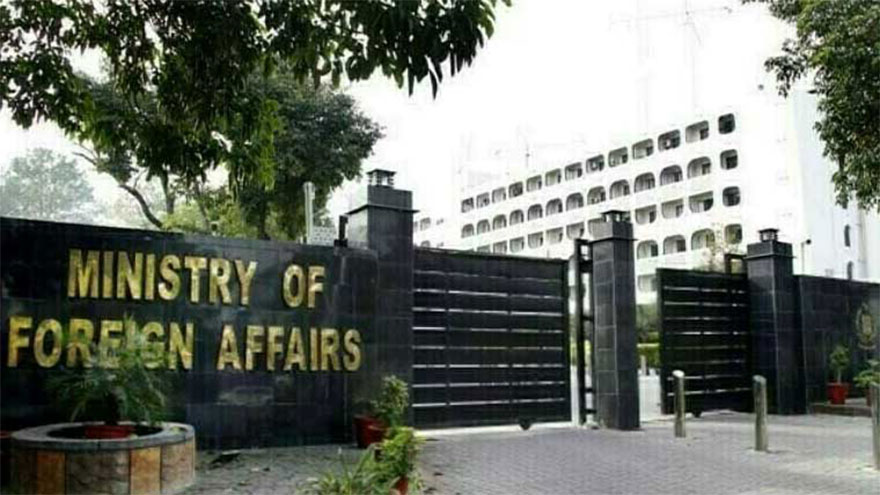
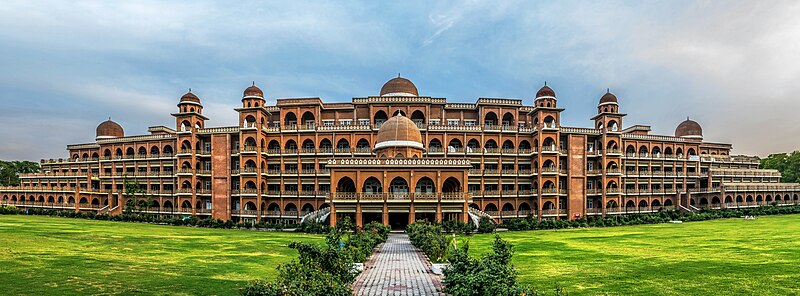
According to a notification issued by the Directorate of Admissions, Khyber Pakhtunkhwa, nine departments at the University of Peshawar (UoP) have been closed due to low student enrolment. Officials clarified that this step is part of a new provincial education policy.
Former Provincial Minister for Higher Education, Mena Khan, while briefing the media, said that the closure of departments is being carried out under a set policy. He explained that the provincial government plans to gradually phase out academic programs that do not create job opportunities in the market.
He added, “The infrastructure and resources of these departments will be transferred to subjects that lead to employment, so that graduates become productive members of society instead of a burden.”
The minister also assured that students currently enrolled will be allowed to complete their degrees, but if fewer than 15 students are admitted in a program, that department will be gradually closed down.
Departments Closed and Admission Numbers
According to the notification, the following nine departments are being closed due to low admissions this year:
- BS Development Studies – 2 students
- Geography – 3 students
- Geology – 14 students
- History – 3 students
- Social Anthropology – 5 students
- Statistics – 7 students
- Logistics and Supply Chain – 2 students
- Human Development and Family Studies – 1 student
- Economics – 2 students
The notification stated that students admitted to these programs will be offered seats in other departments within the university.
Teachers’ Association Reaction: “Government and Administration’s Negligence”
President of the University of Peshawar Teachers Association, Zakir Arash, strongly criticized the government’s decision. He said that if low student numbers are the reason, then this problem exists in all universities, not just UoP, because the number of universities has increased across the province.
He pointed out that 17 new departments were recently opened at UoP, which affected older departments now being shut down. Arash accused the administration of negligence, saying that no proper admission campaigns are run, and students and parents often face administrative hurdles, forcing them to move to other universities.
He added, “Tuition fees here are very high. Neither the provincial nor the federal government has made education a priority. When a BS program costs Rs. 70,000 at a university but only Rs. 6,000 at a college, students will obviously choose colleges — and that directly impacts universities.”
Financial Crisis and Budget Issues
Dr. Uzair, a member of the teachers’ association, said that the government’s lack of seriousness and failure to provide funds are the main reasons for this situation. She explained that when the government doesn’t release budgets, universities increase tuition and hostel fees, and even raise shop rents to make up for the shortfall — costs that are ultimately passed on to students.
She added, “With the rising cost of living, most families cannot afford four years of university expenses. Poor students either move to colleges or choose programs that offer better job prospects.”
Government’s Budget Statement
Former Higher Education Minister Mena Khan reaffirmed the government’s commitment to improving the financial stability of universities. He said that the provincial government allocated Rs. 10 billion for higher education this year, of which Rs. 5.6 billion has already been released.
He further said, “We have cleared pension liabilities worth Rs. 3.6 billion,” expressing hope that universities will soon overcome their financial challenges.
University’s Clarification: “No Department Permanently Closed”
The University of Peshawar later issued a clarification, stating that no department has been permanently closed. Only a few first-semester programs with fewer than 15 students have been temporarily paused to ensure quality education and better use of resources.
The university confirmed that all departments remain fully functional with regular teaching, research, and administrative activities. All ongoing BS (third, fifth, and seventh semesters), MS, MPhil, and PhD programs continue as usual.
The administration urged the public to rely only on official university sources for accurate information.
Higher Education in Crisis
Khyber Pakhtunkhwa currently has around 34 universities, and researchers estimate that 20 of them are facing financial crises. However, government officials insist that the higher education budget has been significantly increased and express optimism that universities will soon recover from financial difficulties.