Special Report: Khabar Kada Balochistan
The process of sending undocumented Afghan refugees from Balochistan back to their homeland in a respectful and organized manner is moving forward rapidly. Joint teams of the provincial government, Frontier Corps (FC), and police are identifying undocumented Afghans through coordinated operations. These refugees are being shifted to temporary holding centres and later transported to Afghanistan through the Chaman border with full respect, proper facilities, and care.
NADRA’s Role in Verification and Organization
The National Database and Registration Authority (NADRA) has played a key role in making this process more organized and effective. Through NADRA’s scrutiny, over 200,000 undocumented Afghans have been identified. Their national identity cards are being blocked, and their details recorded. The government’s policy is clear — all unregistered or illegal Afghan nationals will be given the opportunity to return with dignity. Officials say this operation not only meets national security requirements but also serves as an example of a respectful and systematic repatriation.
Closure of Camps and Action in Educational Institutions
Under government orders, 10 refugee camps across Balochistan have been closed in phases. These included camps in Quetta, Pishin, Chagai, Loralai, and other districts. More than 45,000 people have been sent back in an organized way from these camps. The repatriation policy has also been implemented in the education sector — as a result, 201 Afghan students have been removed from universities in Balochistan and have returned to Afghanistan.
House-to-House Raids in Quetta
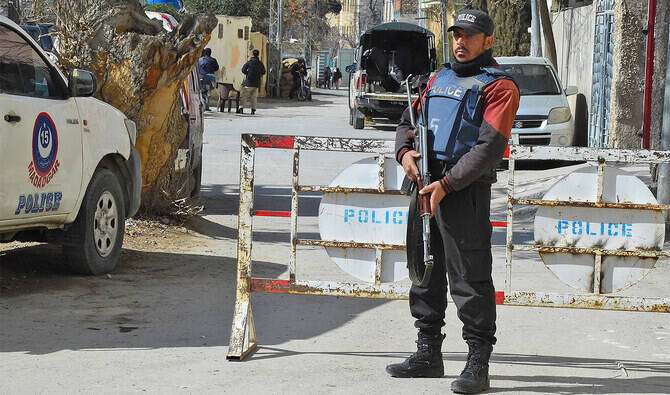
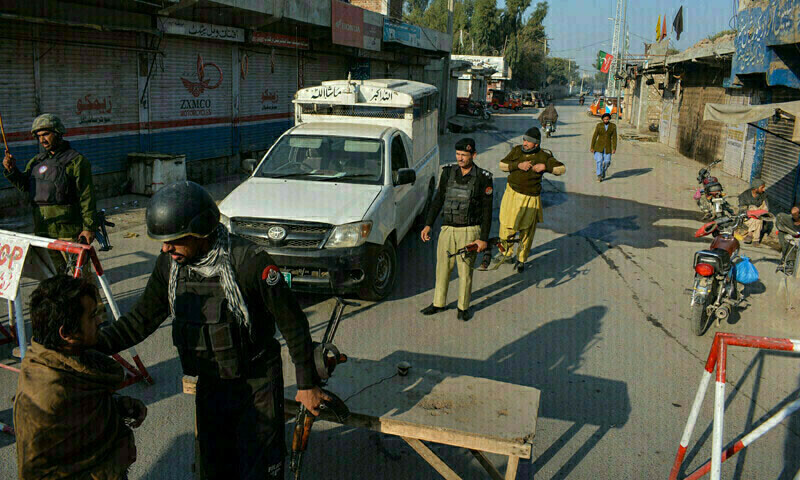
In Quetta, the repatriation drive has intensified. Joint teams of police and FC have been conducting house-to-house raids. In October 2025, large operations were carried out in areas including Eastern Bypass, Satellite Town, Nawa Killi, and Pashtoonabad. During these actions, many Afghans were detained. On one day alone, 3,888 people were taken into custody and included in the repatriation process.
However, these raids have faced criticism from human rights organizations, which reported arrests of women and children. Officials responded that all operations are being conducted within the law. Registration counters have been set up in every camp and educational institution to verify documents and manage travel arrangements in a transparent manner.
A government officer explained, “Our aim is not to humiliate anyone. We just want to ensure the rule of law while making sure everyone returns home with dignity.”
Organized Operations at the Chaman Border
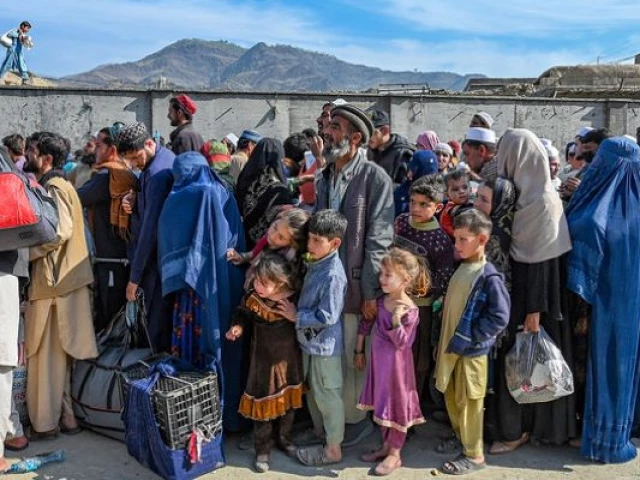
The repatriation process at the Chaman border has become a well-organized operation. Every day, thousands of people are being transported to the border by buses, trucks, and special vehicles. The number of returnees from Quetta has risen sharply — by October 2025, around 40,000 Afghans had left the city, most of them from the Afghan settlement at Eastern Bypass, which had been their home for 35 to 40 years.
At the border, FC and Balochistan Levies personnel are providing refugees with essential supplies such as food, water, and medical aid. On November 1 alone, 10,700 people crossed into Afghanistan through Chaman.
One returning refugee shared, “Pakistan gave us shelter for many years. Now, as we go back, the government is treating us with respect. We are leaving peacefully with our belongings — no pushing, no mistreatment.”
Government Instructions and Assurance of Respect
The government has issued clear directions to avoid any kind of mistreatment during arrests. Separate arrangements have been made for women, children, and men, and each family is allowed to take their belongings. At holding centres, free accommodation, food, water, and medical facilities are being provided. The federal interior ministry’s guidelines clearly state that “dignified repatriation is part of national policy and must be carried out with full respect.”
Border management has also been strengthened to ensure that the process continues smoothly. Effective coordination has been established between Pakistani and Afghan authorities, allowing thousands of people to cross into Afghanistan every day without delay. The Balochistan government has announced that the repatriation process will continue in phases, ensuring that all refugees are returned to their homeland safely and respectfully.
This operation represents a balance between security, rule of law, and human dignity. It not only addresses the issue of illegal residence but also provides refugees with a safe, respectful, and organized return — a positive step toward peace and stability in the region.