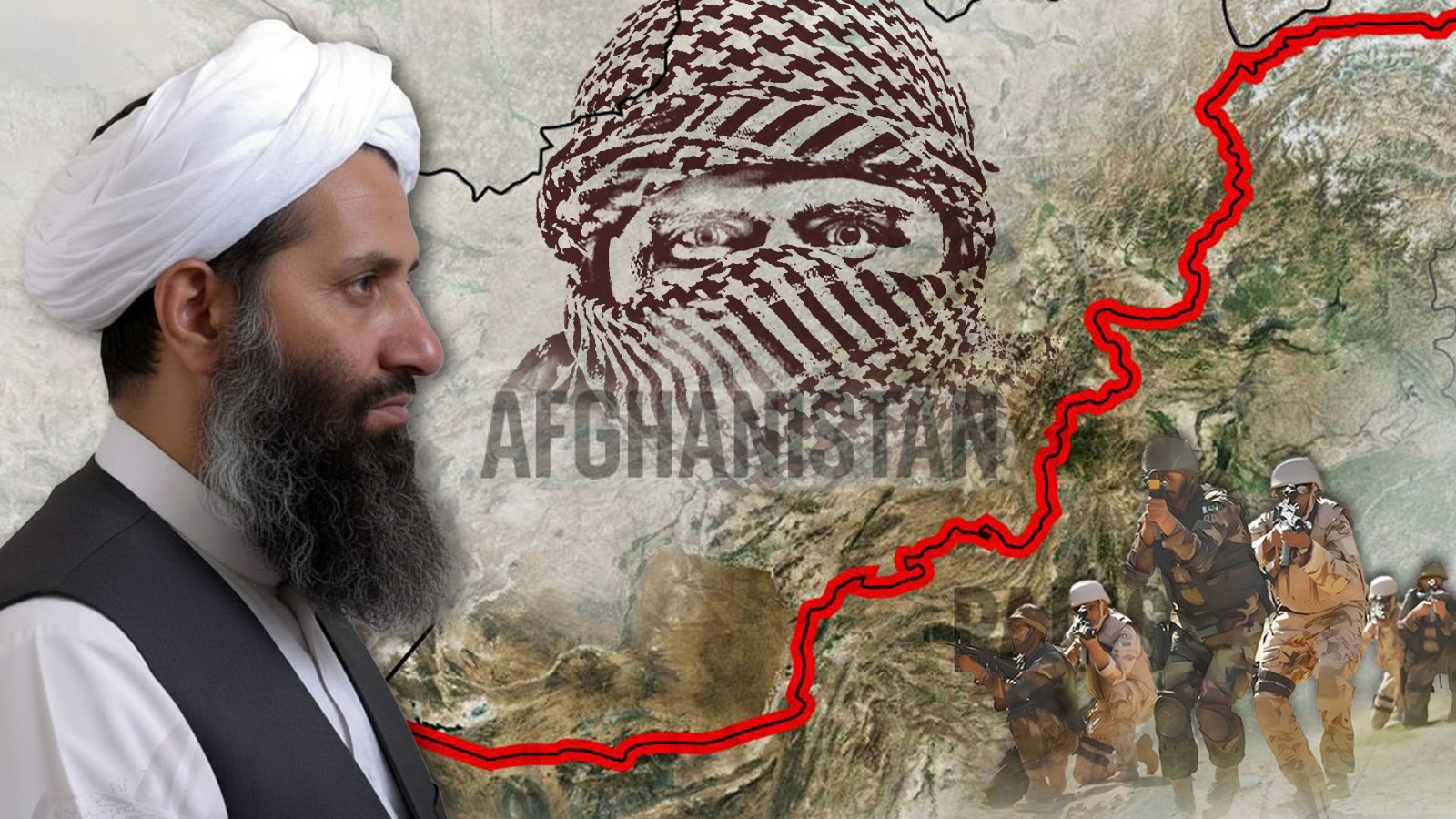
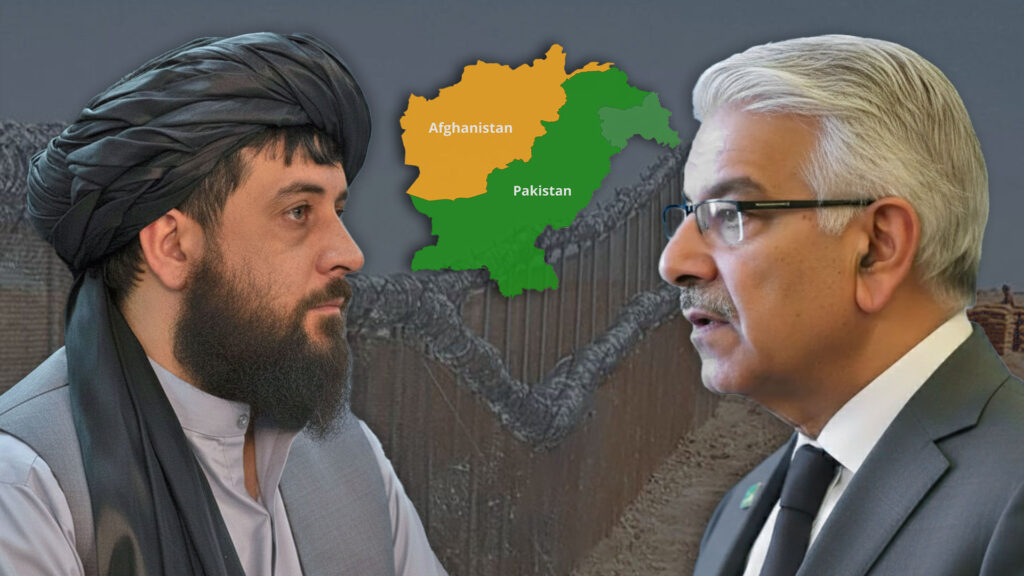
Experts warn that the recent failure of peace talks between Pakistan and the Afghan Taliban could create major challenges for the Taliban in the future. According to analysts, Pakistan had hoped to resolve bilateral issues through dialogue, but the negotiations reportedly collapsed after obstruction from the Afghan side, worsening relations between the two neighbouring countries.
Rising Terror Attacks and Pakistan’s Military Response
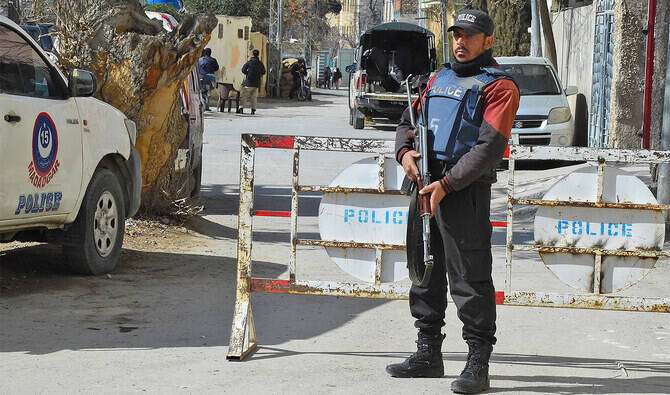
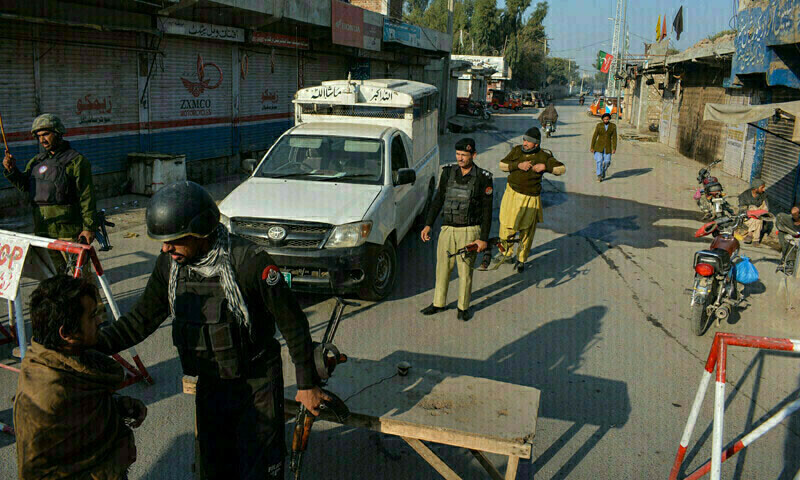
Experts noted that cross-border terrorist infiltration from Afghanistan into Pakistan continued even during the peace talks. Pakistani security officials reported that dozens of militants entering from Afghanistan were killed during recent operations.
According to authorities, more than 27 militants were killed in Balochistan and Khyber Pakhtunkhwa on Monday and Tuesday alone. Many of the attackers were carrying Afghan citizenship documents and were reportedly members of the Tehreek-e-Taliban Pakistan (TTP), also referred to by officials as Fitna al-Khawarij.
Pakistan has made it clear that any attack on its soil will be met with firm counterterrorism action.
Analysts’ Opinions on the Failed Talks
Afghanistan affairs expert Asad Yousafzai said it was already expected that the talks would fail because the Afghan Taliban did not want any agreement in written form.
Speaking to Khabar Kada, Yousafzai said that Pakistan’s main demand was the elimination of TTP and other anti-Pakistan militant groups based on Afghan soil.
He added, “The Afghan Taliban believe in the concept of a Greater Islamic Emirate — they do not care much about borders. Like ISIS, they want to spread their ideology, though in a less extreme form, and aim to influence neighbouring countries.”
Senior journalist Haq Nawaz Khan, associated with The Washington Post, said there were hopes that both sides could reach an agreement to reduce terrorism, but that did not happen.
He told Khabar Kada that the meetings in Qatar produced no results, and although several rounds of talks were held in Istanbul, the process still failed to reach any deal.
Haq Nawaz Khan repeated Pakistan’s key demand that Afghanistan must stop supporting TTP and other militant groups. He said Afghanistan keeps insisting that its soil is not used against others, but Pakistan and international organizations have confirmed that armed groups are still present there.
Former diplomat Umar Khan Ali Sherzai said that the recent visit of the Afghan interim foreign minister to India was a key reason behind the growing tension. He claimed Afghanistan was “playing into India’s hands,” but warned that the ultimate damage would be to Afghanistan itself.
In a recent interview with Khabar Kada, Sherzai warned that if fighting breaks out with Afghanistan, Pakistan may face conflict on both its eastern and western borders. However, he added, “Pakistan’s military capability is strong enough to handle both fronts, and the country never wanted a dispute on its western border.”
Pakistan’s Official Stance on the Failed Talks
Pakistan has confirmed the failure of the talks and blamed Kabul for the collapse.
Federal Minister for Information Attaullah Tarar wrote on social media platform X that the discussions held in Istanbul failed to produce any “practical or lasting solution.” He stated that Pakistan would continue to take all necessary steps to protect its citizens from terrorism.
Tarar said the main agenda was to ensure that Afghan territory is not used for training, logistics, or launching attacks by terrorist groups like TTP (Fitna al-Khawarij) and BLA (Fitna al-Hind).
He said the Afghan delegation verbally accepted Pakistan’s logical and legitimate concerns, but avoided giving any credible or verifiable assurances, instead turning the discussions into blame, delays, and excuses.
The minister added that Pakistan has repeatedly raised concerns over India-backed militant activity along the border since the Taliban came to power, but those efforts failed because of continued Taliban support for these groups.
Tarar warned that after four years of sacrifices and heavy losses, Pakistan’s patience has run out, as the Taliban show no seriousness toward addressing Pakistan’s security concerns.
Defence Minister Khawaja Asif also told Geo News that the two sides were close to a deal, but Kabul’s last-minute interference and withdrawal derailed the process. He accused the Taliban of “sabotaging” the talks under Indian influence.
He added that while Turkey and Qatar tried to mediate and save the discussions, deep and unresolved differences led to a temporary suspension of the talks. Pakistani officials made it clear that no agreement would be accepted without verified guarantees that Afghan soil would not be used for terrorism against Pakistan.
Why Afghanistan Refuses to Act Against Terror Groups
Journalist Riaz Khan, who closely follows regional security issues, said that the main reason the Afghan Taliban avoid action against terror groups is the threat from ISIS-K (Islamic State Khorasan Province).
He told Khabar Kada that the Taliban fear that if they target TTP, its fighters might join ISIS-K, strengthening that organization.
Riaz Khan explained that the Taliban are already struggling with internal divisions and facing challenges from the National Resistance Front (NRF). “Afghanistan believes that acting against TTP could seriously destabilize the country at a time when it faces economic hardship and lacks international recognition,” he said.
Outlook: Rising Uncertainty in the Region
Analysts say Kabul’s strategy of “blame, delay, and excuses” has forced Pakistan to consider unilateral military actions to defend its territory and citizens.
While Pakistan claims to have the military capacity to fight on both borders, the collapse of talks marks the beginning of a new phase of regional uncertainty and tension.
Experts believe that the greatest damage will likely be to Afghanistan, a country already suffering from economic crisis and international isolation.
Attention now turns to Pakistan’s next policy steps and to whether regional stakeholders — including Turkey and Qatar — can help break the stalemate and restart dialogue between Islamabad and Kabul.