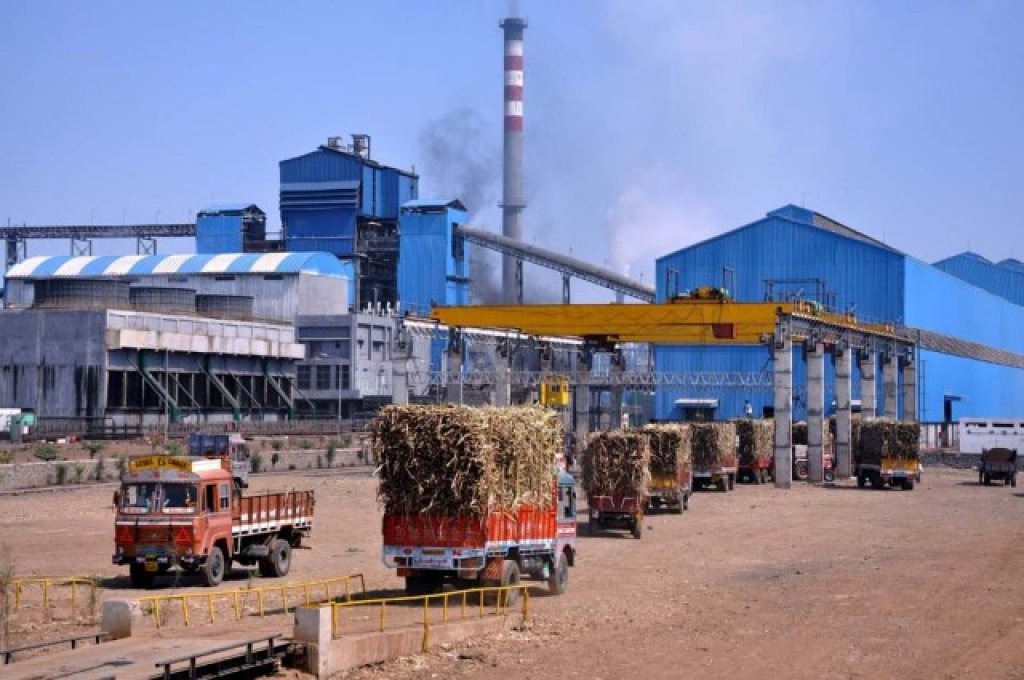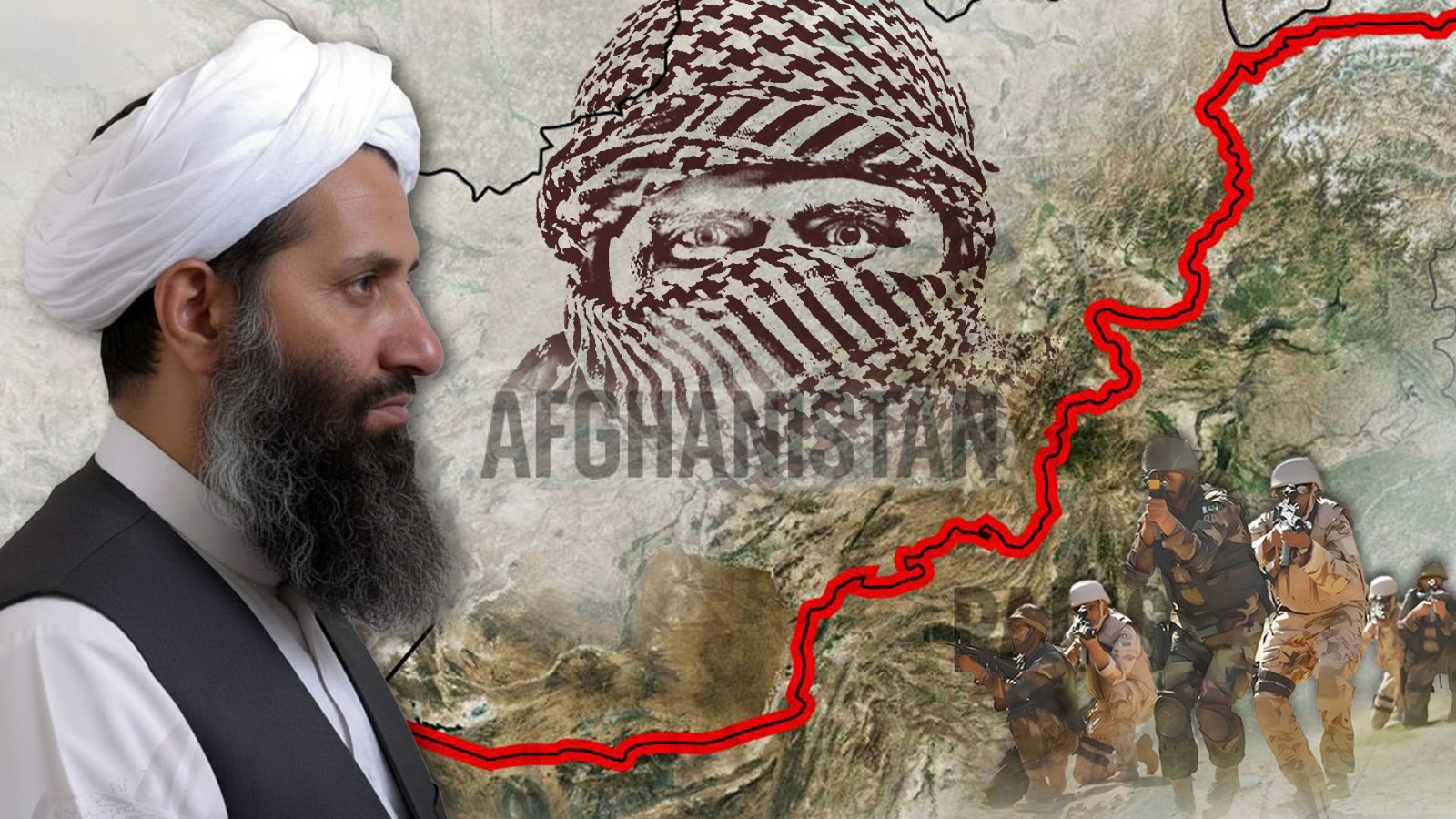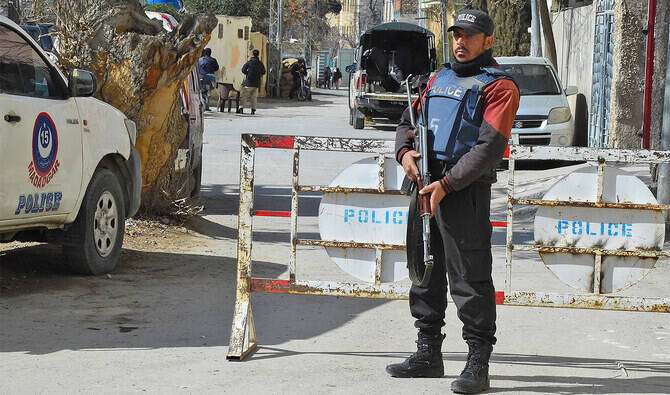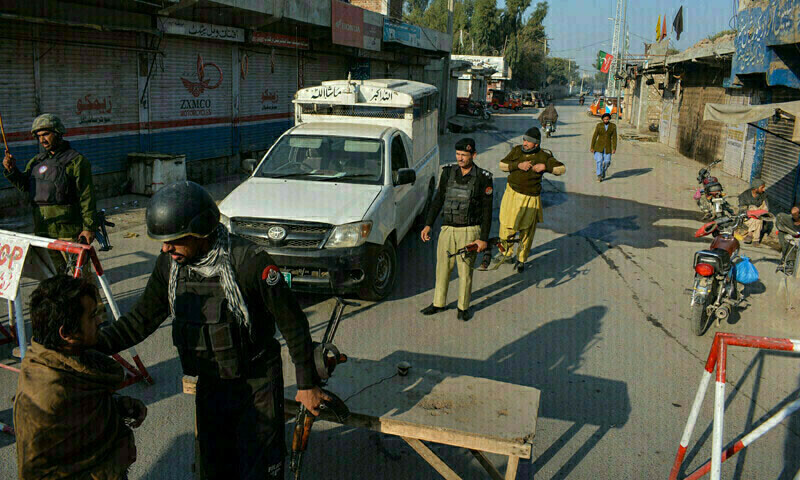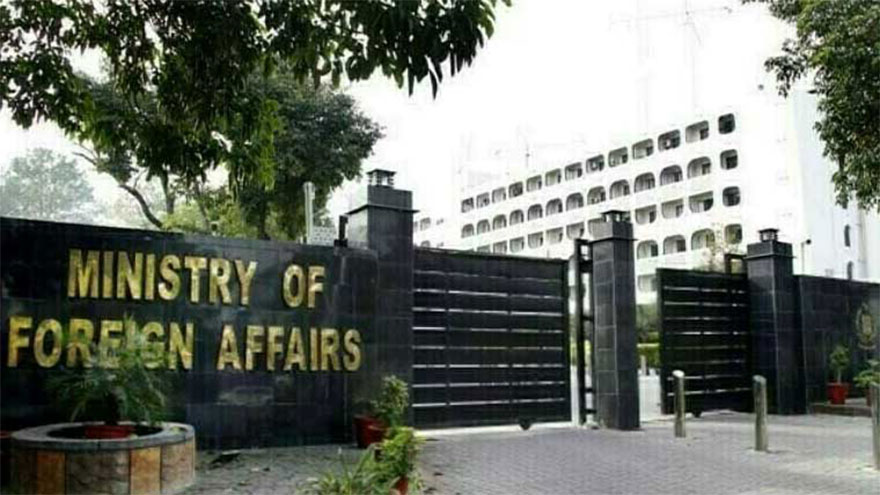
Since October 10, border crossings between Pakistan and Afghanistan have been closed to all trade and travel, causing a severe economic crisis in Afghanistan. The ongoing tension between the two countries has directly affected trade, leaving many containers stuck in Pakistan.
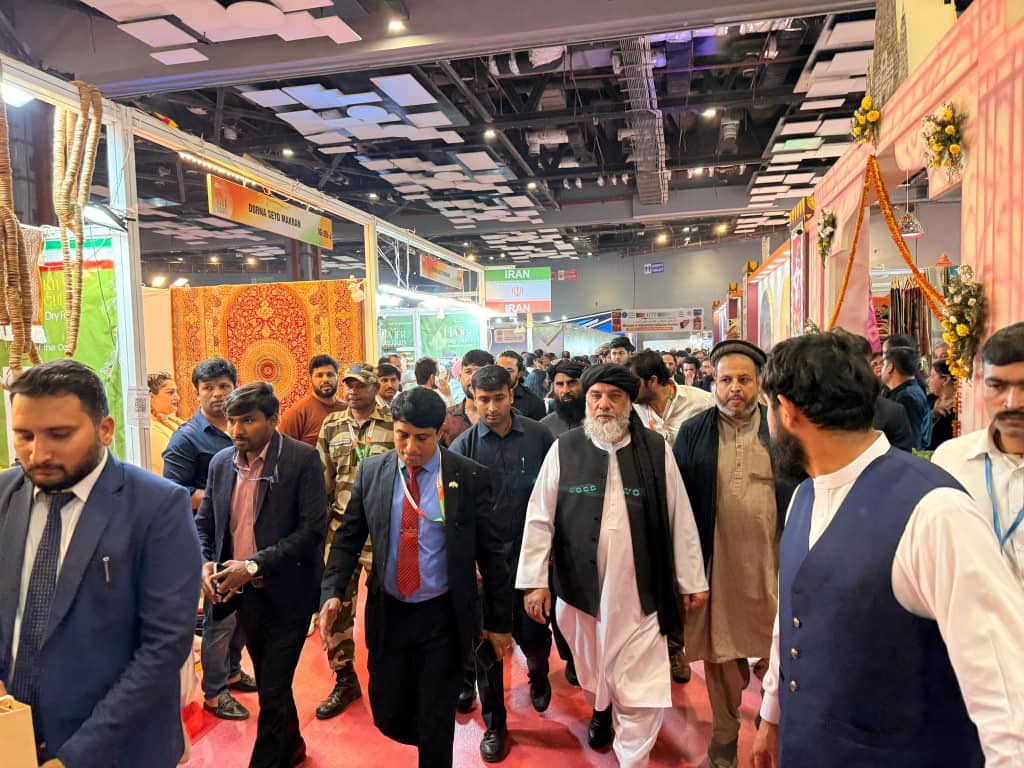
During this period, Taliban Minister for Economic Affairs Haji Nooruddin Azizi made his first official visit to New Delhi to discuss economic cooperation, bilateral trade, and potential joint investments with Indian officials. The visit comes as Afghanistan looks for alternative trade routes due to limited access through Pakistan.
Trade Losses and Stuck Containers
Traders in Khyber and Nangarhar provinces say that essential goods such as food and construction materials usually arrive from Pakistan, while fresh fruits, vegetables, and dried fruits are exported from Afghanistan to Pakistan. The closure of these routes has forced Afghan goods to sell at lower prices domestically, causing heavy financial losses for local traders.
According to Zalmai Azimi, head of the Nangarhar Traders’ Union, more than 11,000 containers are currently stuck, resulting in nearly $250 million in losses for Afghan traders in just one month.
Need for Alternative Trade Routes
Experts say Afghanistan is facing severe financial difficulties and urgently needs alternative routes for importing essential items such as medicine, wheat, and fresh produce. Currently, Afghanistan’s only trade link with India is through Iran’s Chabahar port. However, traders note that this route is more expensive than Pakistan’s due to longer distances, higher fees, and shipping delays.
Taliban Minister’s Visit: Cooperation and Investment Efforts
During his visit to New Delhi, Haji Nooruddin Azizi is expected to discuss economic cooperation, expanding bilateral trade, and joint investment opportunities with Indian officials. The visit reflects Afghanistan’s efforts to open new trade routes and strengthen its economy through alternative partnerships.
Impact on Pakistan
Shah Hussain, former Vice President of Trade and Industry in Khyber Pakhtunkhwa, said the closure of routes like Torkham has left thousands of Pakistani transport workers unemployed. He added that both countries are losing millions of rupees daily due to the disruption.
Medicine Imports and Rising Economic Pressure
Recent reports indicate that Taliban Deputy Minister for Economic Affairs, Mullah Ghani Baradar, has instructed companies importing medicine to reduce dependence on Pakistani products within three months and increase imports from other countries. Experts note that Pakistan wants trade with Afghanistan to continue but is unwilling to bear the costs associated with security concerns. Meanwhile, the Taliban government lacks international recognition, and the public continues to face worsening economic conditions.
The closure of major trade routes has caused heavy losses for Afghan trade. The Taliban economic minister’s visit to India is part of efforts to find new economic partners and alternative trade routes. While Chabahar port remains Afghanistan’s only alternative route, high costs and longer transit times continue to challenge traders. Both Afghan and Pakistani business communities are working to find a lasting solution to the trade disruption.