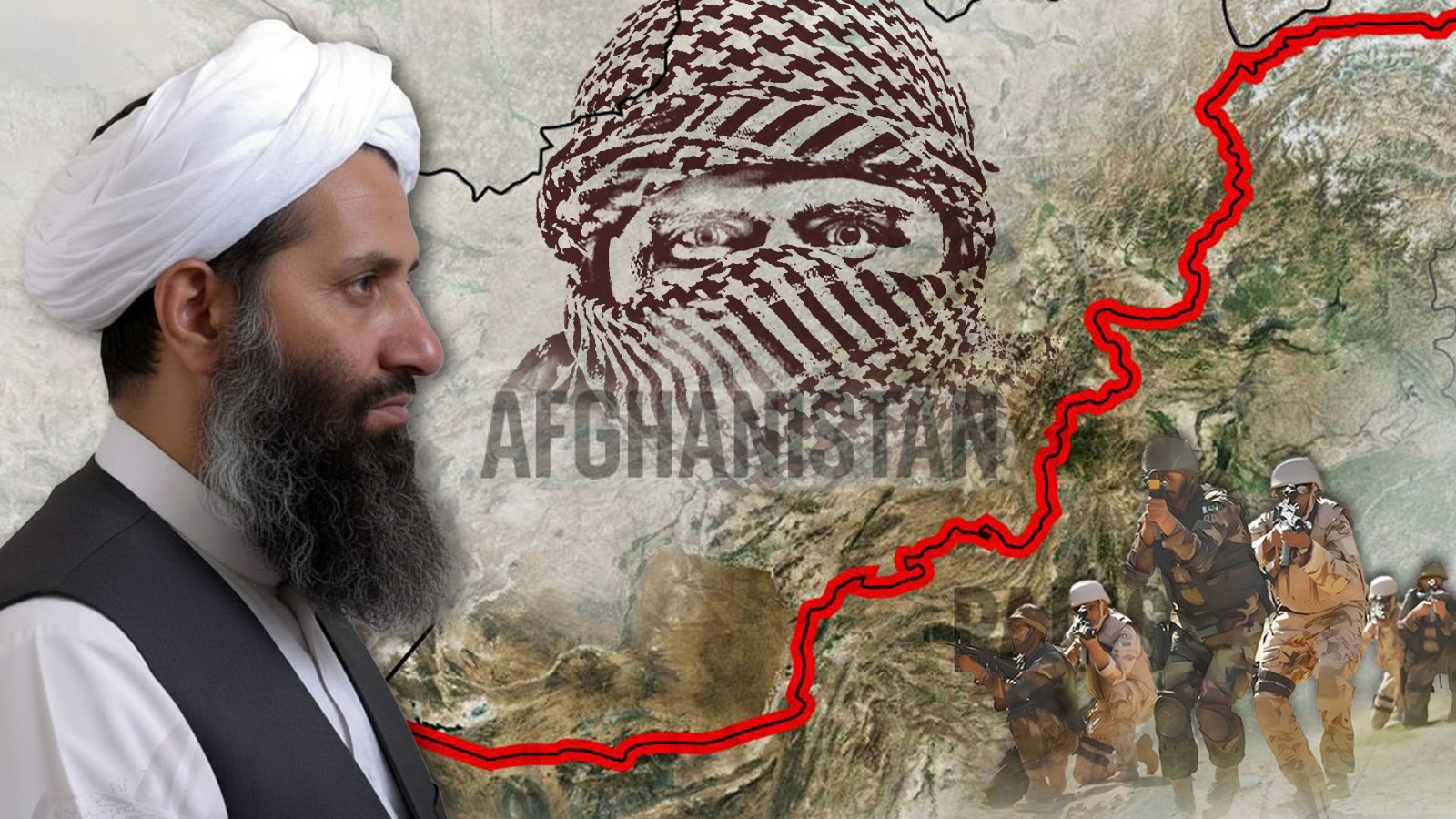
The recent decree from the Supreme Court of the Islamic Emirate of Afghanistan, which resulted in the release or reduced sentences for 7,521 prisoners, presents a critical and immediate security challenge for neighbouring Pakistan. While framed as a measure of judicial leniency, this mass clemency is widely viewed as a dangerous, destabilising factor for the region.
The Numbers and the Risk
The statistics are stark:
- 3,204 inmates were pardoned outright, meaning they are now free.
- 4,317 received a reduction in their sentences.
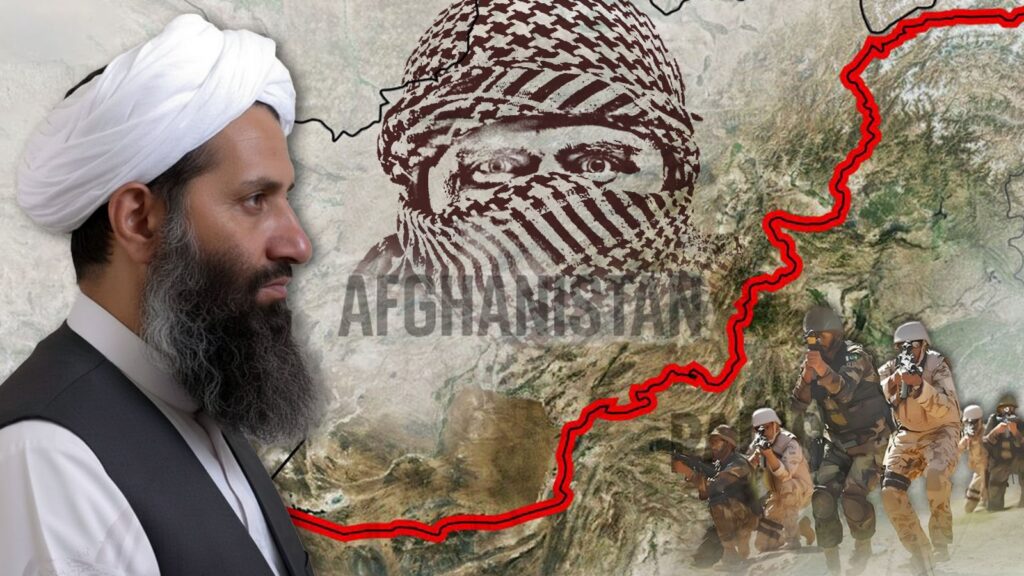
The prevailing analysis suggests that a significant number of these released individuals are hard-core criminals and militants, many with documented ties to extremist and terrorist organizations. The immediate concern is that Kabul’s “pardon” effectively constitutes a fresh deployment of trained fighters—potentially including suicide bombers—toward the porous border and into Pakistan.
These newly freed individuals are expected to quickly bolster the ranks of the Banned Tehrik-i-Taliban Pakistan (TTP) or operate as independent cells, inevitably leading to a surge in cross-border attacks and domestic instability within Pakistan.
An Escalation of Regional Threat
Furthermore, the backdrop of ongoing internal instability within Afghanistan introduces a terrifying complexity. Many of these battle-hardened individuals, unable to find immediate footing or perhaps disillusioned, are predicted to gravitate toward other ultra-violent groups, most notably the Islamic State – Khorasan Province (ISKP).
This convergence of released fighters and existing militant groups dramatically escalates the regional security threat, turning what was presented as an internal Afghan judicial matter into a trans-national security crisis.
The judicial process outlined-involving prison reports, provincial reviews, and a final order from the Chief Justice-does little to alleviate the external anxiety, as the primary concern is the nature of the individuals being released, not the legal mechanism used to free them.
Ultimately, Pakistan and other regional partners must now brace for the inevitable repercussions of this decree, which, by putting thousands of high-risk individuals back onto the streets, has significantly heightened the potential for terrorism and violence across South Asia.
Disclaimer: Opinions expressed in the writing are the author’s own and do not represent the policy of Khabar Kada.