Pakistan’s Deputy Permanent Representative to the UN, Usman Jadoon, highlighted the growing threat of terrorism during a UN Security Council meeting on Wednesday. He said that terrorist groups are rapidly adapting to technology while benefiting from unresolved conflicts and other conditions that allow them to survive.
Jadoon emphasized Pakistan’s sacrifices as a frontline state in fighting terrorism, noting over 80,000 casualties and billions of dollars in economic losses. He said Pakistan’s efforts have largely dismantled Al-Qaeda, but groups like ISIL-K, TTP, Baloch Liberation Army (BLA), and the Majeed Brigade continue to operate from Afghanistan, allegedly supported by Islamabad’s regional adversary.
He called for the UN’s 1267 sanctions regime to be strengthened, suggesting that it should list individuals and entities without considering religion, nationality, or ethnicity. He stressed that listing and delisting processes must be fair, transparent, and free from political influence. He also recommended that the UN counter-terrorism framework include far-right and extremist groups, including ultra-nationalist, xenophobic, and Islamophobic organizations.
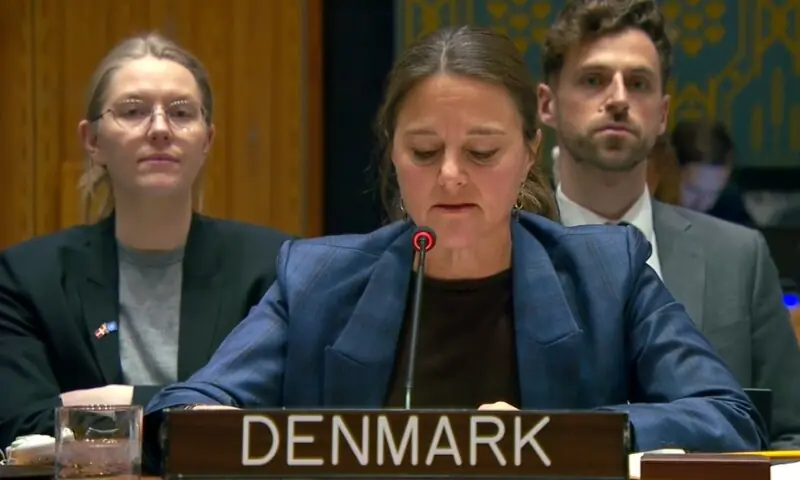
Denmark, as the chair of the UN Security Council’s ISIL (Daesh) and Al-Qaeda Sanctions Committee, also briefed the meeting. Sandra Jensen Landi, Denmark’s Deputy Permanent Representative to the UN, highlighted the threat posed by the Tehrik-i-Taliban Pakistan (TTP) operating from Afghanistan, as well as the continued danger from ISIL, Al-Qaeda, and their affiliates worldwide.
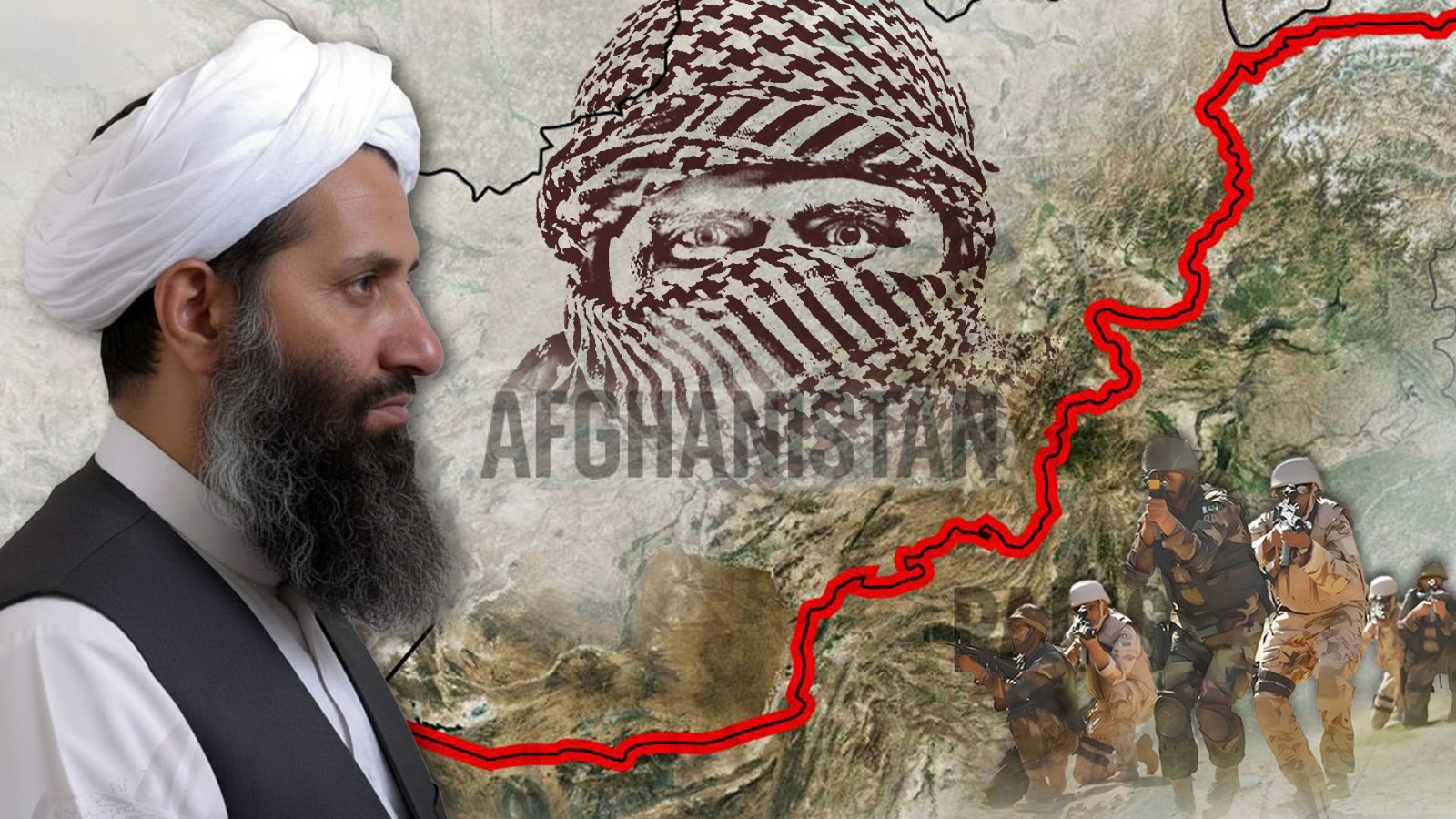
The TTP’s presence in Afghanistan has long strained Pakistan-Afghanistan relations. Since the Taliban returned to power in 2021, Pakistan has accused them of harbouring thousands of TTP fighters, who have carried out attacks against Pakistani security forces in Khyber Pakhtunkhwa and Balochistan.
Landi said the TTP, with approximately 6,000 fighters, remains a serious threat and receives both logistical and substantial support from Afghan authorities. The group has conducted multiple high-profile attacks from Afghan soil, some causing mass casualties in Pakistan.
She also discussed the global threat from ISIL and Al-Qaeda. Their operations are spreading across regions, with Africa currently experiencing the highest activity. Both groups continue to use social media for propaganda, recruitment, and fundraising, increasingly relying on cryptocurrencies to evade sanctions.
Landi highlighted that Daesh has shifted focus from the Middle East to Africa, with affiliates such as Islamic State West Africa Province (ISWAP) expanding operations. In Central and South Asia, ISIL-Khorasan (ISIL-K), led by Sanaullah Ghafari with about 2,000 fighters, continues to target Shia communities, Afghan authorities, and foreign nationals.
She explained that Al-Qaeda’s central leadership is weak, but regional affiliates, like Jamaat Nasr al-Islam wal Muslimin in the Sahel region, exploit local grievances to expand influence and raise funds. Al-Qaeda in the Arabian Peninsula (AQAP) continues to incite attacks and mobilize resources. Landi stressed that both ISIL and Al-Qaeda are resilient, adaptive, and opportunistic, taking advantage of instability, weak governance, and technology.
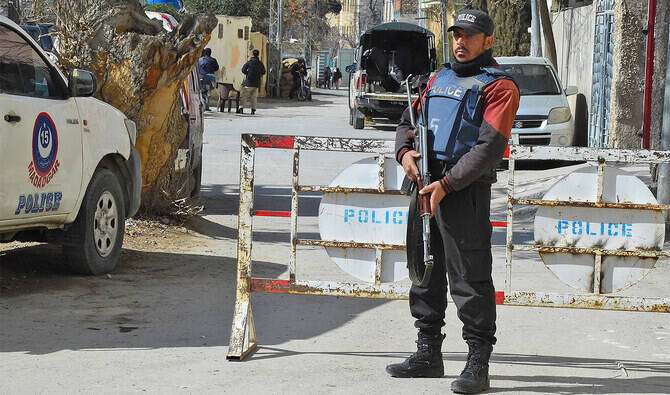
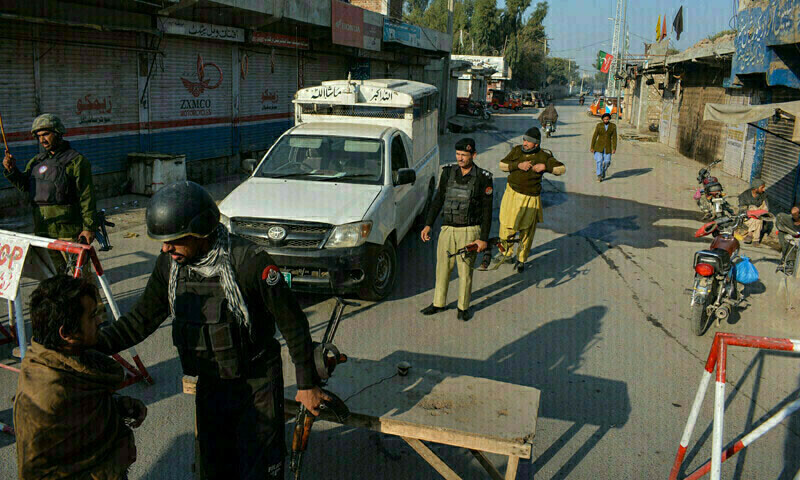
Tensions between Pakistan and Afghanistan have escalated after border clashes on October 11. Despite temporary ceasefires and mediation by Qatar and Turkey, talks in Doha and Istanbul have failed to bring lasting solutions. Following the clashes, the Taliban suspended trade with Pakistan, and the border remains closed. Meanwhile, attacks by the TTP have increased, including a suicide blast in Islamabad on November 14 that killed 12 people. Pakistan’s security forces continue counter-terrorism operations along the northwest border to prevent further attacks.