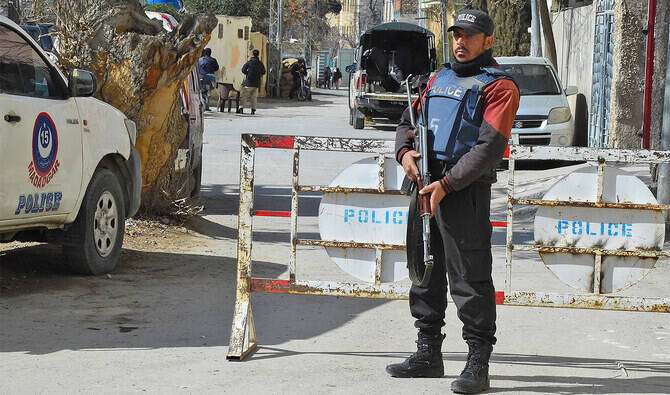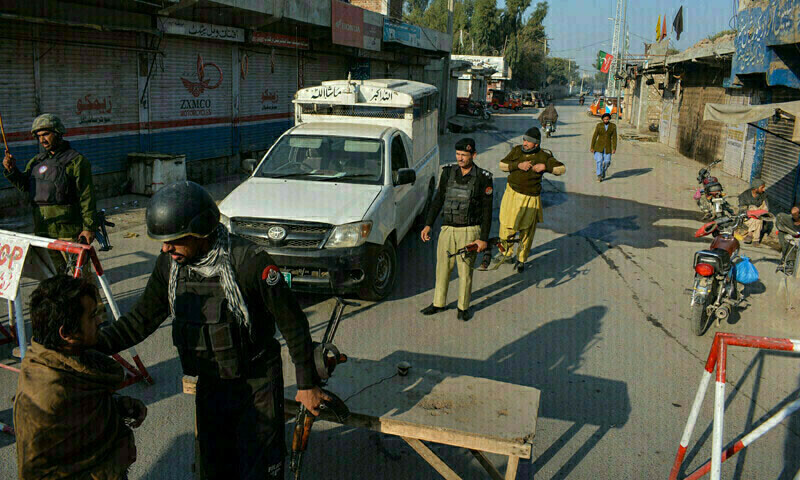

More than a dozen police officers from Khyber District — the home district of Khyber Pakhtunkhwa’s Chief Minister — have been suspended over allegations of involvement in drug smuggling and other illegal activities. The Capital City Police Officer (CCPO) of Peshawar has asked the District Police Officer (DPO) of Khyber to submit a detailed report on the matter. It is worth noting that several police officials have been dismissed in the past for facilitating drug smuggling.
Confirming the suspensions, CCPO Peshawar Dr. Mian Saeed Ahmad stated that the officers were removed from duty for their alleged involvement in corruption, drug trafficking, and other illegal businesses, and legal action will be taken against them. He also issued show-cause notices to four Station House Officers (SHOs) for negligence and poor supervision, making it clear that there is no place in the police force for corrupt officers. He added that police performance is being constantly monitored to ensure public safety and maintain law and order.
Rising Drug Menace and Its Connection to Insecurity in Khyber
The growing drug problem in Khyber District has not only trapped local youth in addiction but has also fuelled militancy in the area. According to police reports, an average of two drug smuggling attempts are recorded in the district each day. While Afghan nationals play a key role in smuggling drugs across the border, local people are also involved for financial gain, receiving payments from drug dealers for their participation.
International Networks and Support for Militants
Despite frequent crackdowns on drug smuggling, militant groups continue to benefit financially from the trade. Large quantities of narcotics are smuggled from Afghanistan through the mountainous routes of Tirah Valley in Khyber District and then distributed to other parts of Pakistan.
Sources linked to the smuggling network told Khabar Kada that the trade is run like a large, well-organized company involving many people. According to them, the operation also enjoys political and local backing, without which such large-scale smuggling would not be possible.
Tirah Valley is a major area for cannabis and poppy cultivation — the main sources of hashish and opium — which serve as a livelihood for many locals. While some of these drugs are sold in local markets, large quantities are smuggled from Afghanistan to Pakistan through the border, and then transported from Tirah and Bara to Peshawar and other major cities.
Sources revealed that the amount of drugs smuggled far exceeds domestic consumption in Pakistan, meaning that a large portion is trafficked abroad. They said international drug networks are involved, and a significant share of their profits is funnelled to terrorist organizations. In areas under militant control, smugglers reportedly pay militants in advance to guarantee safe passage and protection for their drug consignments.
The Drug-Terrorism Nexus
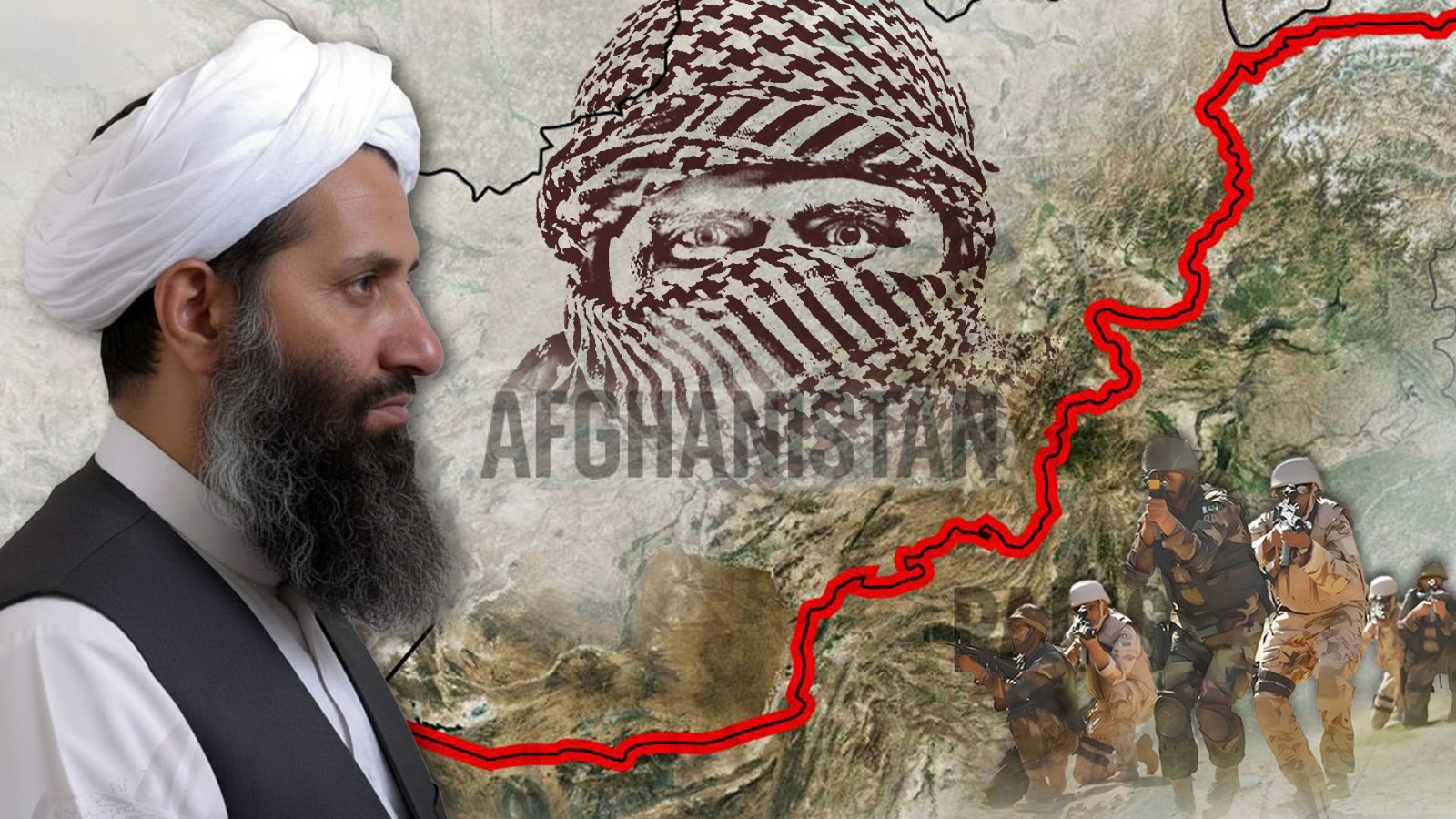
A strong connection has emerged between terrorism and the illegal drug trade in Khyber Pakhtunkhwa’s border regions, especially Tirah Valley. According to reports, large amounts of narcotics are smuggled from Afghanistan into Khyber and Tirah, with both Afghan drug cartels and terrorist groups involved.
Around 12,000 acres of land in Khyber and Tirah are currently used for drug cultivation, generating annual profits of 1.8 to 2.5 million rupees per acre. A portion of these profits goes directly to terrorist organizations, which use the money to fund attacks and maintain their networks.
Sources claim that drug cultivators in Tirah receive political protection, which is why some groups oppose security operations in the area. Experts describe this as a “political-terror-crime nexus,” where political interests, terrorism, and organized crime are interlinked — keeping the region unstable.
This year alone, various terrorist incidents in Khyber District have resulted in 198 police officers being killed or injured. Experts believe that the ongoing violence is directly linked to those who use the illegal drug trade and terrorism to protect each other’s interests and sustain their power.