
In Khyber District’s Tirah Bara Qambar Khel area, talks between the Afridi tribe and the outlawed Tehreek-e-Taliban Pakistan (TTP) are ongoing through a series of tribal jirgas (councils). According to reports received on Sunday, the TTP has verbally agreed to leave the Bara Qambar Khel area after discussions with local elders. During the meeting, the elders reminded TTP commanders of a written agreement made on August 4, in which the militants had promised not to use local houses for attacks or any other violent activities against security forces.
The elders told the TTP that local residents were deeply troubled by the fighting, as some armed men were still hiding in private homes and forcing families to evacuate. Tribal leaders told Khabar Kada that Sunday’s jirga ended successfully, and the TTP agreed to withdraw from Qambar Khel territory.
Breach of Previous Promises and Fresh Withdrawal
According to a jirga member, earlier talks were also held on August 5, during which both sides swore on the Quran that civilians’ homes and guest houses (hujras) would not be used for terrorism. However, in recent days, militants again launched attacks on security forces from such locations, causing civilian casualties. Two members of the jirga told Khabar Kada that the TTP has now vacated the Qambar Khel area.
Talks Expand to Other Areas
The jirgas are still continuing in the surrounding regions. Elders said that while armed groups have left Qambar Khel land, they have now moved to neighbouring tribal areas belonging to other Afridi clans, including Shalobar, Malikdin Khel, and Zakha Khel—areas located near the Orakzai border. Another jirga is scheduled to meet the TTP soon to demand their withdrawal from these areas as well.
Doubts Over Peace Talks
Despite these developments, tribal elders remain sceptical about lasting peace through negotiations. They pointed out that similar efforts in Bajaur’s Mamond area had failed, even after seven rounds of jirgas, and the government eventually had to launch military operations to clear the region. Elders in Khyber told Khabar Kada that although the TTP once again promised to leave, the group has broken such pledges before. A member of Monday’s upcoming jirga said their goal was the same—to convince the TTP to leave their land—but he admitted that, based on past experiences, they did not expect full success.
Experts Cite Afghan Support as Key Challenge
Analysts say that peace talks with the TTP have repeatedly failed, including the government-led negotiations held in Afghanistan in 2022. They believe the TTP used those talks to regroup and strengthen its presence in Swat, Dir, Bajaur, and other areas.
Two tribal elders who participated in recent jirgas said peace could still be achieved if Afghanistan’s government helps by restricting the movement and sheltering of militants, and if the Pakistani government gives full authority to the tribal jirgas to negotiate independently.
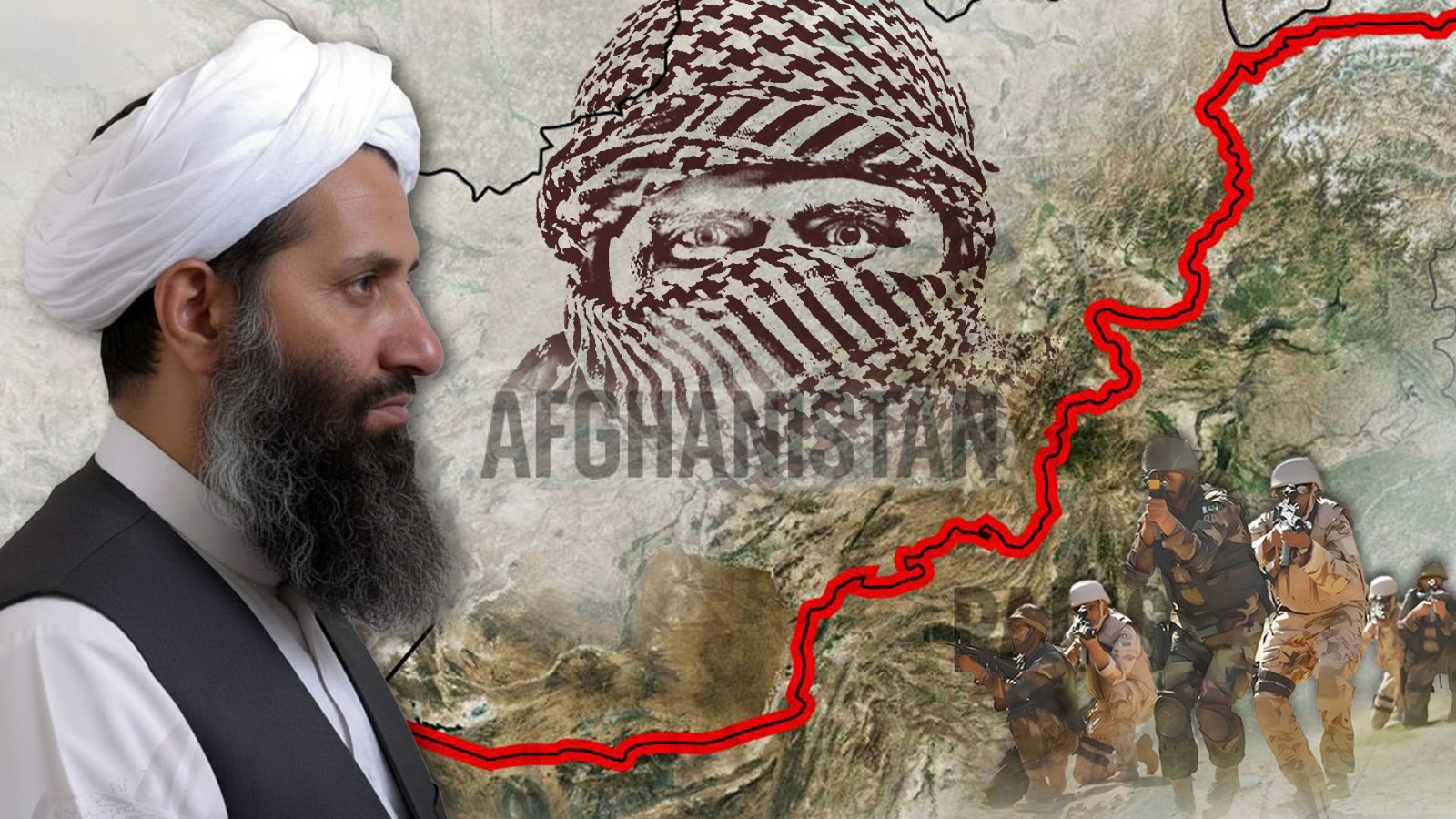
However, security experts warn that as long as the TTP continues to receive weapons, funding, and manpower from the Afghan Taliban, a peaceful resolution will remain unlikely. Analyst Asad Yousafzai said, “Pakistan has tried several times to negotiate with the TTP both inside Afghanistan and within the country, but support from the Afghan side keeps the group strong.” He added that after the Taliban came to power in Kabul, terrorist attacks in Pakistan increased significantly. “Afghanistan is now using the TTP as a proxy against Pakistan, which could have very dangerous consequences,” he warned.
Pakistan Army Warns Against Use of Afghan Soil
On Monday, Director General of ISPR, Lt. Gen. Ahmed Sharif Chaudhry, reiterated that Afghanistan’s territory must never be used against Pakistan. In an informal discussion with journalists, he reaffirmed the army’s commitment to national defence and warned India that any aggression would be met with a stronger response than before.
He emphasized that the army does not want to interfere in politics, but criminal and terrorist groups remain major obstacles to national stability. Lt. Gen. Chaudhry said that under the ongoing Operation Fitna al-Khawarij, 1,667 terrorists have been killed so far this year, during a total of 62,113 operations—most of them in Balochistan. A total of 582 soldiers have also been martyred in these operations.
He added that Afghanistan’s conditions “hold no weight,” and Pakistan’s only demand is that Afghan soil not be used for terrorism. In recent clashes, he said, 206 Afghan Taliban members and 112 militants linked to Fitna al-Khawarij were killed—around 60 percent of them Afghan nationals.
Lt. Gen. Chaudhry stated that the TTP has pledged allegiance to the Taliban leader, effectively making it a branch of the Afghan Taliban. He further warned that Afghan authorities are relocating these militants into densely populated areas to hide them, calling the situation “deeply concerning.”