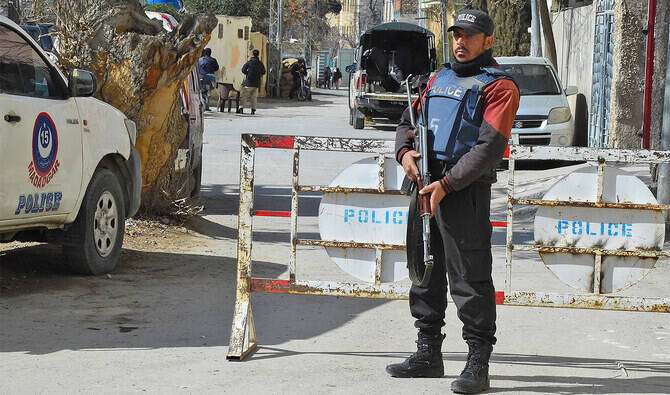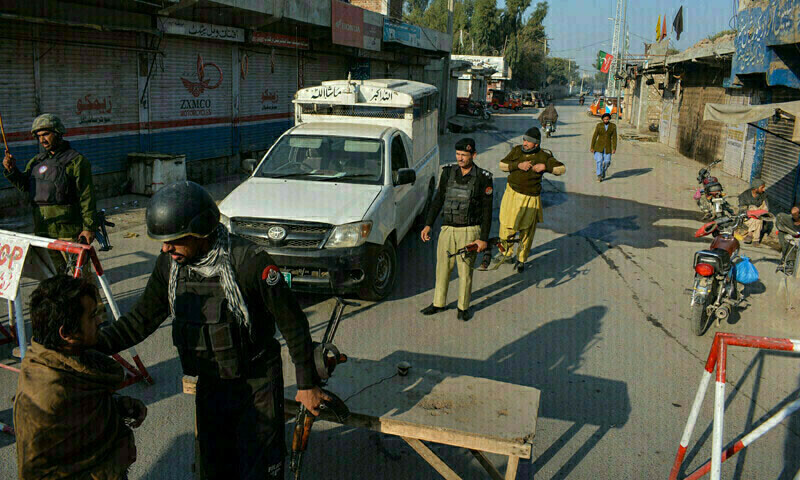

Khyber Deputy Commissioner Bilal Rao confirmed on Saturday that the Torkham border crossing between Pakistan and Afghanistan had been reopened earlier in the day to resume the repatriation of Afghan refugees. The confirmation came after both the Pakistani embassy in Kabul and Afghan officials announced the reopening. “Torkham gate is now open for refugees. We welcome our countrymen,” said Qureshi Badloon, head of the Information and Culture Department in Afghanistan’s Nangarhar province.
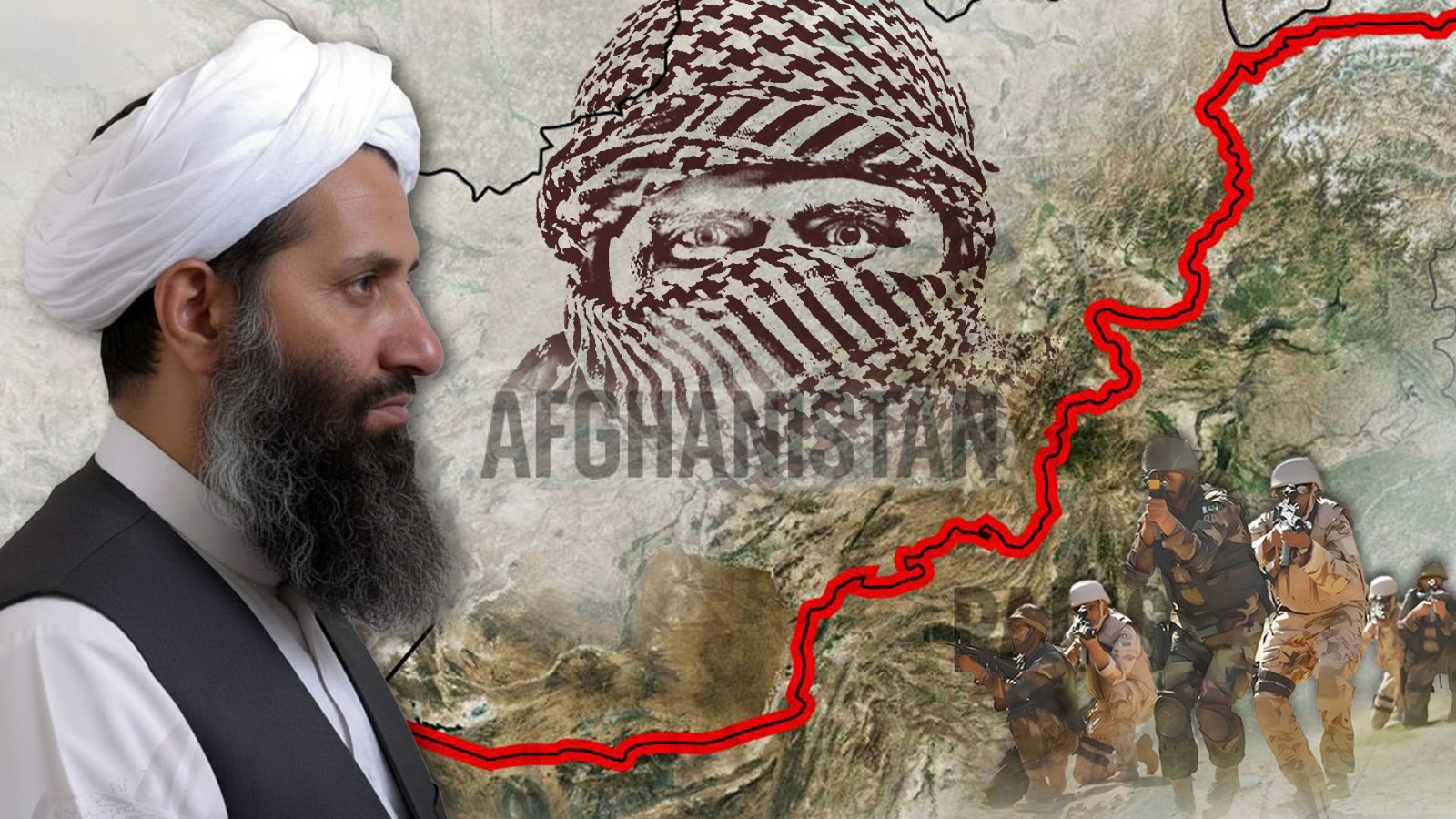
The repatriation process had been abruptly suspended on October 11 following intense border clashes between Pakistani and Afghan forces. The fighting, which continued for several days, ended only after a ceasefire agreement was reached in Doha on October 19. During the closure, Pakistan sealed all crossings with Afghanistan for every type of movement, leaving thousands of returning Afghan families stranded and waiting for the border to reopen. Trade between the two countries also remained suspended, causing a spike in prices of essential commodities — particularly vegetables like tomatoes. Although Islamabad and Kabul agreed on Friday to extend the ceasefire, Pakistan’s Foreign Office Spokesperson Tahir Andrabi clarified that “the border remains closed for trade for now,” adding that commercial activity would resume only after the security situation stabilises.
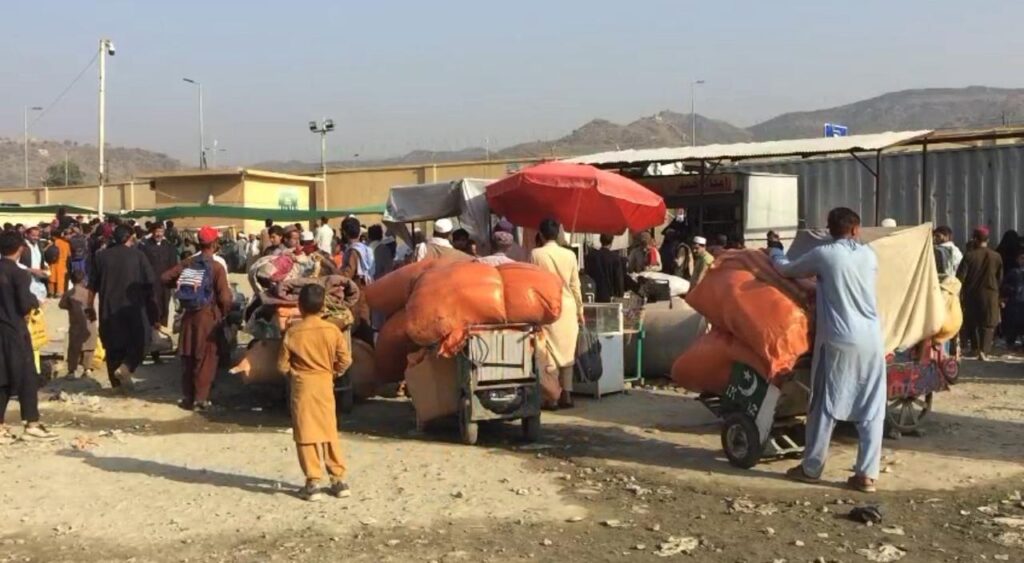
According to officials, all necessary staff had been instructed to be present at the border early Saturday morning to assist in the repatriation process. However, it remained unclear whether Pakistani citizens stranded in Afghanistan would also be allowed to cross back into the country. Meanwhile, Afghan Consul General in Peshawar, Hafiz Mohibullah Shakir, stated on Friday that thousands of Afghan refugees had been left stranded on roads stretching from Nowshera to Torkham due to the prolonged closure. “Hundreds of vehicles carrying thousands of refugees are stuck on the roads. Many families are without food, water, or shelter,” he said. Shakir added that the ongoing expulsion of Afghans, especially from Punjab, had worsened the humanitarian situation, and he appealed for the urgent provision of water, food, and tents for the stranded families.
Shakir further criticised the United Nations High Commissioner for Refugees (UNHCR) for its inaction, saying that most of the stranded individuals were registered refugees holding valid Proof of Registration (PoR) cards. Following the recent border tensions, Prime Minister Shehbaz Sharif reiterated the government’s stance that no further extensions would be given to Afghan refugees and directed that all refugee camps be closed down. Official figures showed that as of October 16, a total of 1,477,592 Afghan nationals had already been repatriated. The government has also warned that those found sheltering illegal Afghan residents would be treated as offenders and face strict legal consequences.