By Amin Khan
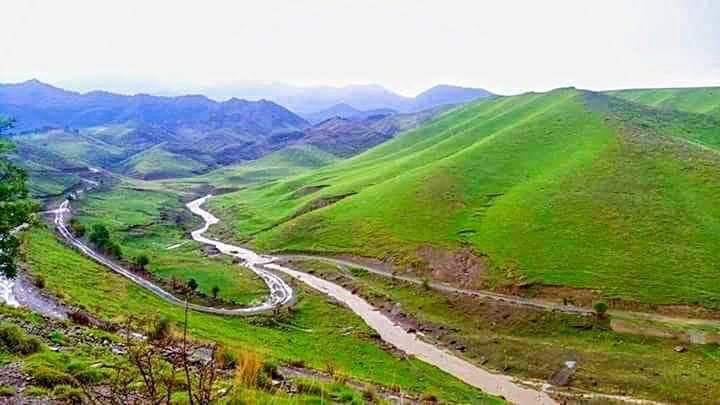
The mountains of Waziristan are blessed with remarkable natural beauty. The greenery covering these mountains is extremely valuable, and it is this natural vegetation that enhances the region’s charm. Without these forests, Waziristan would be left with nothing but barren, lifeless hills. Tourists from across the country travel long distances to admire its stunning scenery.
Speaking to Khabar Kada News Platform, Mansoor Ahmad, an official working with the Forest Department, said that according to recent data, 13.55 percent of South Waziristan’s land consists of both natural and man-made forests. Among these, the chestnut tree (locally known as Cherrhay) is considered the most valuable species. Chestnut trees cover nearly 89,701 acres of land, but unfortunately, their numbers are rapidly declining due to deforestation. Current estimates suggest there are about 65 million chestnut trees in Waziristan. Deforestation not only threatens the region’s natural beauty but also poses serious risks to the survival of wildlife that depend on these forests.
A rainbow of beauty once shimmered across the horizon of Waziristan’s green mountains. The landscape, once a symbol of natural magnificence, was rich with lush greenery and evergreen forests. These evergreen plants, rare in most parts of Pakistan except the northern regions, flourished abundantly in Waziristan, bearing fruits and sustaining a vibrant ecosystem. The region was not only rich in biodiversity but also in tradition and community, with its inhabitants living according to strong cultural values.
Nature Beautifying
Waziristan is a lush, vibrant, and naturally beautiful region. In particular, areas of Upper Waziristan like Badar, Shawal, Makin, Ladha, and Pir Ghar are unparalleled in their captivating beauty. Tourists from distant areas flock here during the summer months to enjoy the sight of waterfalls and the tall, magnificent pine, cedar, and cypress trees.
Unfortunately, these areas lack basic facilities. If the government and relevant authorities pay a little attention, this region could become a major tourist hub. The government should take practical steps for the development of the area and the promotion of tourism.
A Paradise for Grazing and Wildlife
In the past, green meadows would welcome grazing animals each morning. Small bushes spread across the land like a natural green carpet, providing ample fodder for cattle throughout the day. These natural resources reduced the burden of care on families at home. The dense forests and bushes also provided safe shelter for wildlife, making the region a sanctuary for various wild animals.
The War on Terror and the Decline of Natural Beauty
The onset of the War on Terror brought devastation to the region. Most families were displaced, forced to leave behind their homes, lands, and traditions. What remained of Waziristan was soon consumed by shellfire and destruction. The once-verdant valleys became silent witnesses to explosions and environmental degradation.
Impact of Deforestation on Grazing and Livestock
A local herdsman, Gandyier Jan, shared with Khabar Kada the grim reality faced by livestock during and after the conflict. “Along with the war, the lives of our productive animals were also severely affected,” he explained. The hills where cattle once grazed were scorched by gunfire. The valley waters became contaminated with gunpowder, and the soil lost its fertility due to the constant shelling.
Gandyier Jan further revealed that after years of conflict, when families returned to their ancestral homes, they found the land unrecognizable. “Our lives were full of blessings before the war,” he said. Tragically, his son lost a foot to a landmine hidden beneath the soil—carried there by water flow, a cruel reminder of the war’s lingering danger.
The destruction of the forest has had long-term impacts. Where tall pine trees once stood proudly, now only barren land remains. The grazing animals, once dependent on the vegetation, are left with nothing to feed on.
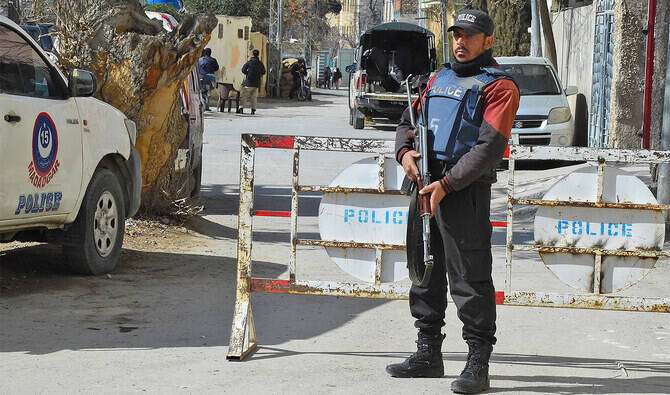
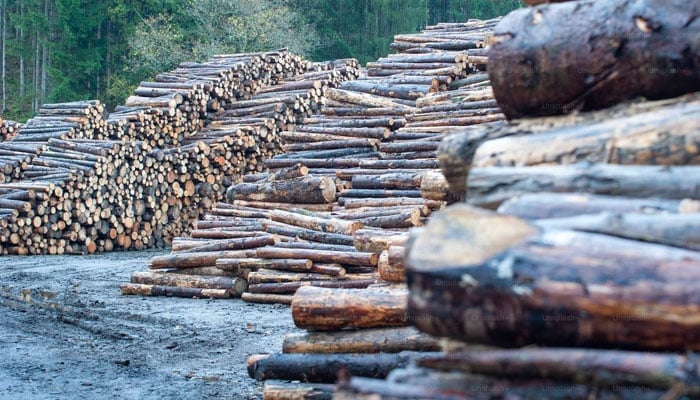
A police constable on duty in the local area, speaking to Khabar Kada, reported that people are ruthlessly cutting down forests, severely damaging the natural beauty of the region. He stated that this unchecked deforestation is taking a terrible toll on the area’s scenery.
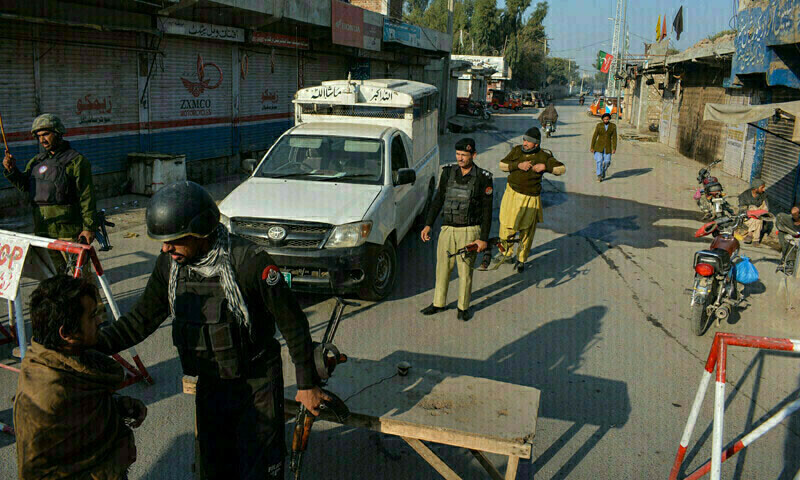
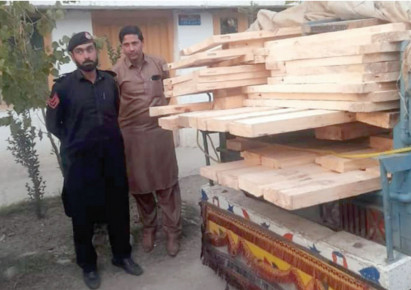
The constable recounted that last year, they stopped several trucks loaded with wood. Upon investigation, it was discovered that “timber mafia” was behind the logging. He emphasized that these groups are destroying the area’s natural beauty solely to make money.
Environmental Consequences of Deforestation
Greenery is a divine blessing which is an essential part of Earth’s balance. However, human actions, especially in times of conflict, often bring ruin to this natural beauty. Deforestation has drastically reduced oxygen production in the region, contributing to climate imbalance. Rainfall has diminished, and drought-like conditions have started to emerge. The felling of precious trees has not only stripped the land of its aesthetic charm but has also destroyed critical wildlife habitats.
Loss of Biodiversity and Cultural Heritage
With the forests gone, many species of wildlife have vanished from the region. The habitat destruction has led to a sharp decline in biodiversity. Moreover, the traditional way of life—deeply intertwined with nature—has been disrupted, leaving communities struggling to adapt.
Hope for Restoration and Reforestation
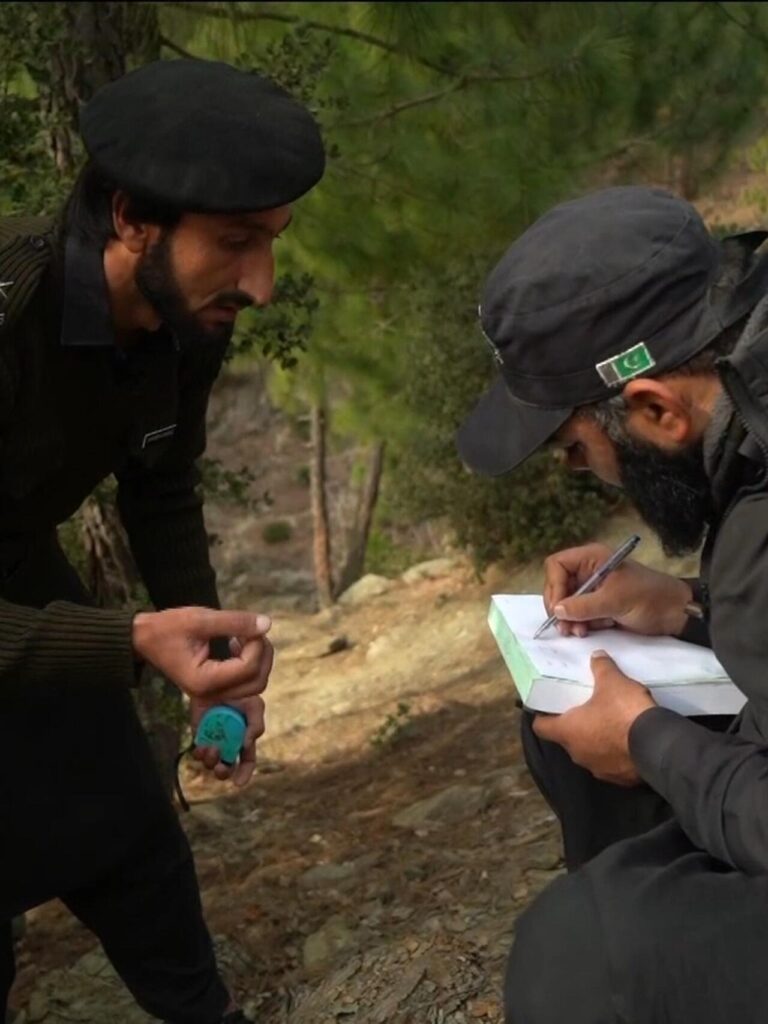
Despite the destruction, there is still hope. Reforestation and environmental rehabilitation programs can help restore Waziristan’s natural beauty. Government and non-governmental organizations must collaborate with local communities to plant trees, clean water sources, and promote sustainable grazing practices.
Education and awareness campaigns are also vital to prevent further deforestation. If immediate action is taken, Waziristan’s mountains may once again echo with the sounds of grazing animals and rustling leaves—a rebirth of the land’s former glory.
The Role of “Nogha” in Preventing Deforestation
Before military operations began in Waziristan, local communities relied on a traditional tribal system known as “Nogha” to prevent illegal logging. “Nogha” was a unique social mechanism used to discourage undesirable activities in society through collective responsibility and strict social norms.
Under this system, anyone who cut down trees despite community warnings was fined. This fine, locally known as Nogha, could be paid either in cash or through a traditional act of apology called “Nanawatai”, in which the offender would seek forgiveness from the community. This system played an important role in preserving the forests and maintaining balance in the environment. However, after the military operations, this tradition has gradually weakened and is now disappearing, leaving the forests more vulnerableto exploitation.
Conclusion
According to the Ministry of Climate Change and Environmental Coordination and the Climate Change Performance Index (CCPI), Pakistan is one of the world’s leading carbon-emitting countries, ranking 18th globally. While its per capita greenhouse gas emissions are below the global average, the country’s total greenhouse gas emissions reached 521.46 million tonnes of CO₂ equivalent in 2021, primarily from energy use and fossil fuels. Experts from the Ministry of Climate Change and Environmental Coordination and the Climate Change Performance Index (CCPI) warn that these emissions are driving serious environmental challenges. Pakistan’s reliance on fossil fuels and low use of renewable energy highlight the urgent need for stronger climate policies, greater investment in clean energy projects, and the implementation of effective mitigation strategies.
At the same time, Pakistan is highly vulnerable to natural disasters, ranking fifth in the world for disaster impacts. Its warm climate, dependence on glacier-fed rivers, and largely agrarian economy make it prone to floods, droughts, landslides, glacier lake outburst floods, and rising sea levels. These climate threats endanger water, food, and energy security, as well as human health and settlements. Experts emphasize that measures such as reforestation, raising awareness about deforestation, and adopting adaptation strategies are essential to reduce risks and protect communities from the growing impacts of climate change.
Every individual in society carries the responsibility to actively participate in tree plantation campaigns to help improve the environment and reduce pollution. Instead of cutting down trees, people should become those who plant and protect trees, contributing to a cleaner and healthier ecosystem.