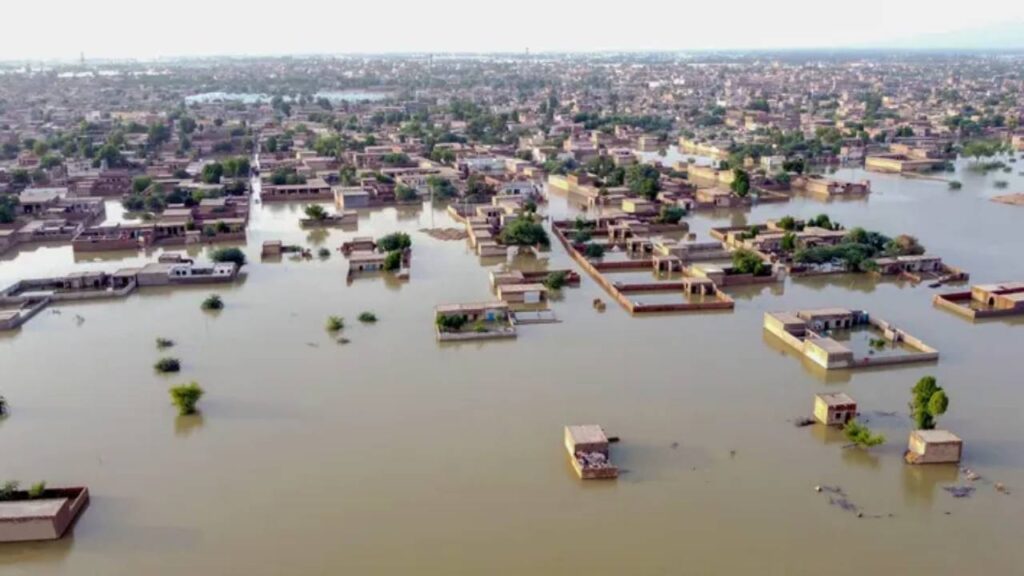
Floods have wreaked havoc across the country, causing severe damage to infrastructure and claiming many precious lives. According to the latest reports, 13 sections of the M-5 Motorway have been affected so far and authorities have warned that another four to five locations may also be impacted if conditions worsen.
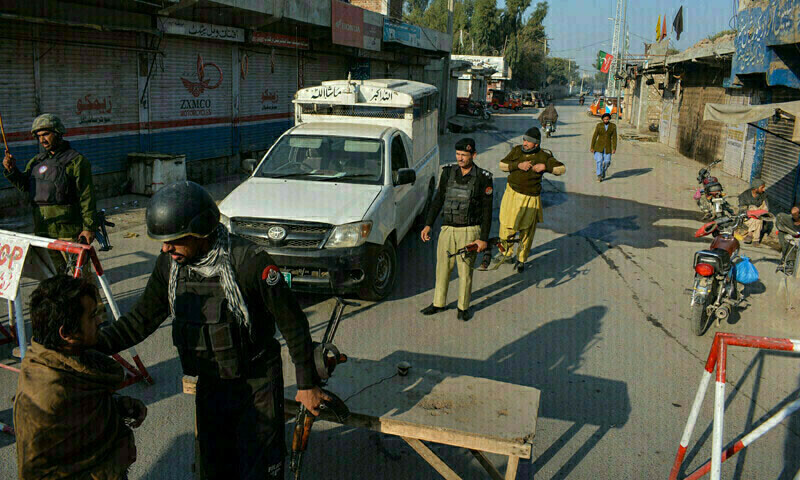
According to Motorway Police, the highway has been completely closed due to flooding. Passengers traveling from Multan to Sukkur have been advised to use alternate routes. Traffic is being diverted from Shah Shams Interchange towards the National Highway. Vehicles can re-enter the M-5 from Uch Sharif Interchange, while travellers from Sukkur to Multan can also use the National Highway through Uch Sharif Interchange. Police added that Sher Shah Interchange is also open for re-entry onto the motorway. Officers are on-site to guide drivers and ensure safe passage.
In Punjab, flooding has destroyed 0.6 million acres of rice crops. Similarly, high floodwaters have severely damaged crops in riverine areas of Sindh. The Pakistan Meteorological Department (PMD) reported a decline in water levels at Sindh’s barrages; however, in Nawabshah, the flow of the Indus River has increased.
The National Disaster Management Authority (NDMA) stated on Sunday that since June 26, around 3.02 million people have been rescued in nearly 5,800 operations. Coordinated efforts by the NDMA, provincial authorities, the Pakistan Army, and other agencies carried out 5,768 rescue operations in which a total of 3,020,130 people were evacuated. Punjab saw the highest number of rescues, with 2.81 million people evacuated in 4,749 operations, followed by Sindh, where 184,011 people were rescued in 753 operations.
The NDMA reported that torrential rains and floods have claimed at least 1,006 lives, including 275 children, 568 men and 163 women. The highest death toll was recorded in Khyber Pakhtunkhwa, with 504 fatalities, followed by 304 in Punjab, 80 in Sindh, 30 in Balochistan, 41 in Gilgit-Baltistan, 38 in Azad Jammu and Kashmir, and nine in Islamabad. Across the country, another 1,063 people were injured including 321 children, 450 men, and 292 women. Punjab again reported the highest number of injured, with 661 cases, followed by 218 in Khyber Pakhtunkhwa and 87 in Sindh.
According to NDMA, 273,524 relief items have been distributed so far, including tents, blankets, ration bags, food packs, hygiene kits, and clean drinking water. Additional supplies such as solar panels, de-watering pumps, and generators have also been provided.
Since June 26, 1,690 relief and medical camps have been set up in flood-affected areas. Of these, 741 medical camps have treated 662,098 patients, while 949 relief camps have provided shelter and services to 152,252 people.
Floods have damaged or destroyed 12,569 houses, killed 6,509 livestock, and left communities facing displacement and shortages of essential resources. Infrastructure losses include 239 bridges and around 2,000 km of roads. The worst-hit region was Khyber Pakhtunkhwa, where 52 bridges and 437 km of roads were destroyed, followed by Azad Jammu and Kashmir with 94 bridges and 201 km of damaged roads. In Gilgit-Baltistan, 87 bridges were damaged, while three bridges each were affected in Balochistan and Islamabad. Sindh reported no bridge damage, though seven km of roads were affected. Islamabad Capital Territory also saw three bridges damaged.